Before I was a data scientist, and understood anything about data systems or pipelines or how to train models, I was a storyteller. Like most writers, the obsession started when I was young, around the age of seven, and in possession of a small globe on my desk, the kind with raised ridges and rivets representing mountains and valleys, and I would spin that globe and write a story about a place I’d never been to before.
But before that, it was mostly road trips and backseat stories told out loud to my brothers and cousins. Characters with names I invented on the spot, plots spun up on a whim, and endings that would surprise even me. In elementary school, I filled notebooks, then binders, with my stories. And then, when we got a computer in the ’90s, I started typing, and the stories got longer, wilder, and more fleshed out.
Stories that ranged from a spy named Valena to a vampire named Darius, pretty much anything my imagination could conjure up. And the funniest thing was, I wasn’t trying to be a writer, I just couldn’t stop writing.
But what I didn’t know then, and what took me another twenty years to fully understand, was that telling stories and knowing how to write are two entirely separate things. The first is simply instinct, while the second is craft, and usually, craft doesn’t bow well to shortcuts.
I wrote nine manuscripts before What the Quiet Took From Us. Some went out into the world under pen names, a version of myself still learning what she was doing while paying tuition. Some never left the hard drive, but all of them taught me something the one before couldn’t.
I honestly didn’t really find my style of writing until my mid-twenties, and that’s when something finally clicked about structure, interiority, and simply cutting excess; pretty much going in with a strikethrough and removing anything that serves no purpose. Learning then the difference between a story that moves and a story that breathes. Of course, I didn’t recognize this threshold when I crossed it, but only after doing so, and then looking back now.
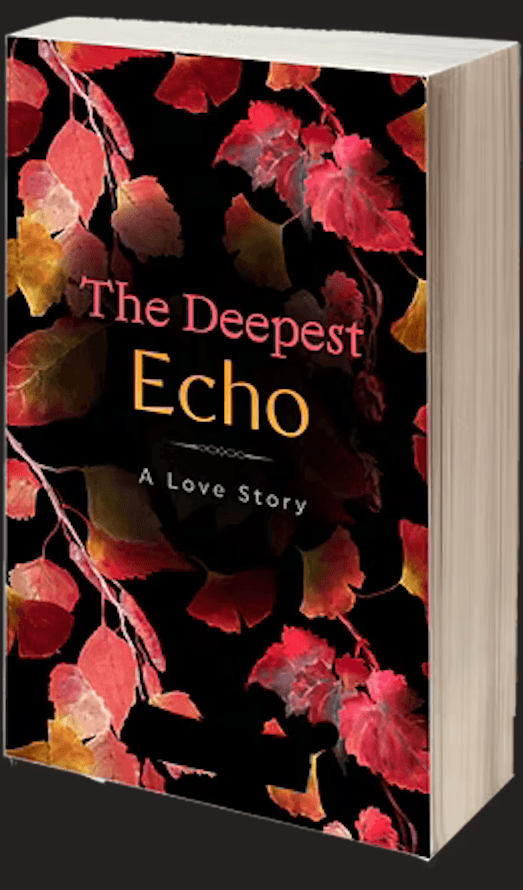
(One of my early manuscripts that started to show real potential, back in 2016)
People sometimes ask how I hold both lives together: data science and writing fiction, and I think the honest answer is that they were never separate to begin with. Both require the same thing: a willingness to be bad at something for a very long time until you eventually get good at it. To treat failure in data, which any data person will tell you is mostly about cleaning it, no different than cleaning up rough first, second, even third drafts. And at their core, the most important part is the resilience to keep going, not because success is guaranteed, but because stopping feels like the wrong kind of answer.
And while my childhood globe is long gone, I still write myself into faraway places, still build worlds from wherever my imagination can reach. And while yes, the characters are more complicated now, the sentences take longer to settle, the excitement of storytelling is still there, bubbling below the surface.
Ten books in, and I’ve finally written my first one.