
The small village of Giverny, tucked in the Normandy countryside just outside Vernon, is where we biked the same path Monet once took on his journeys home and back to Paris.
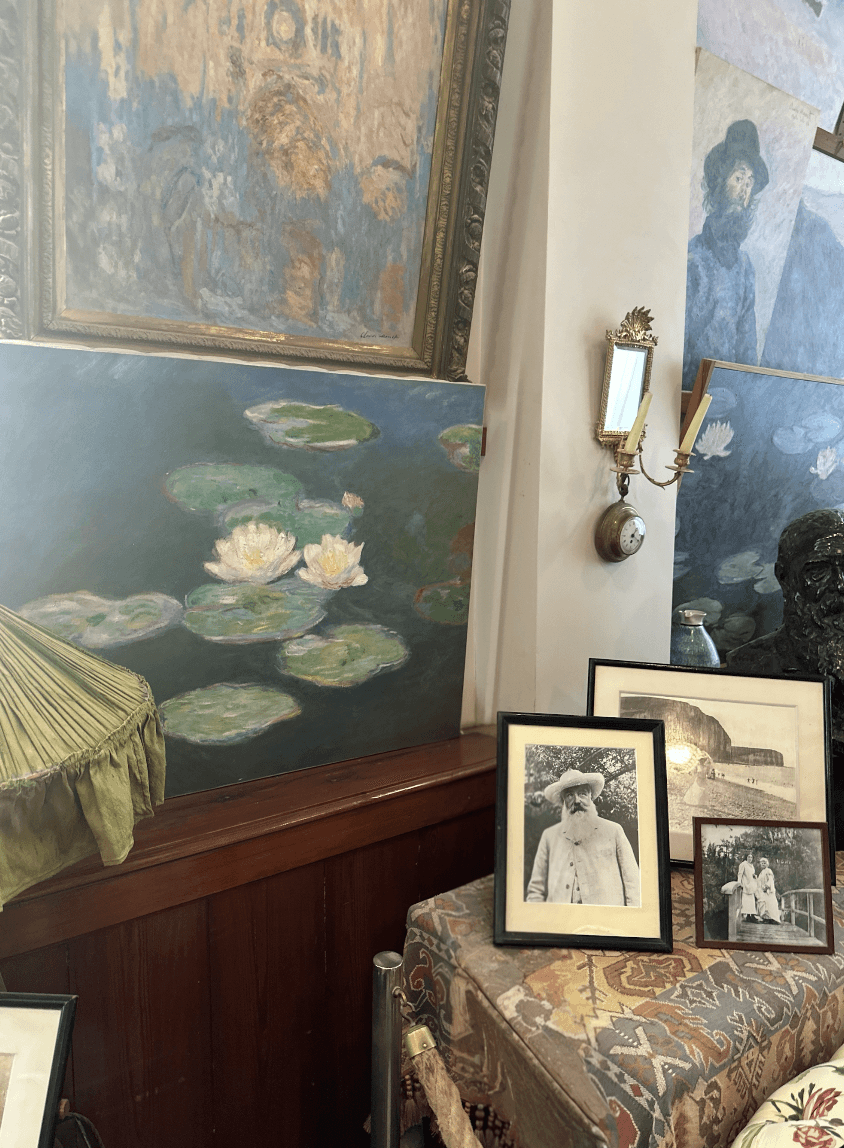
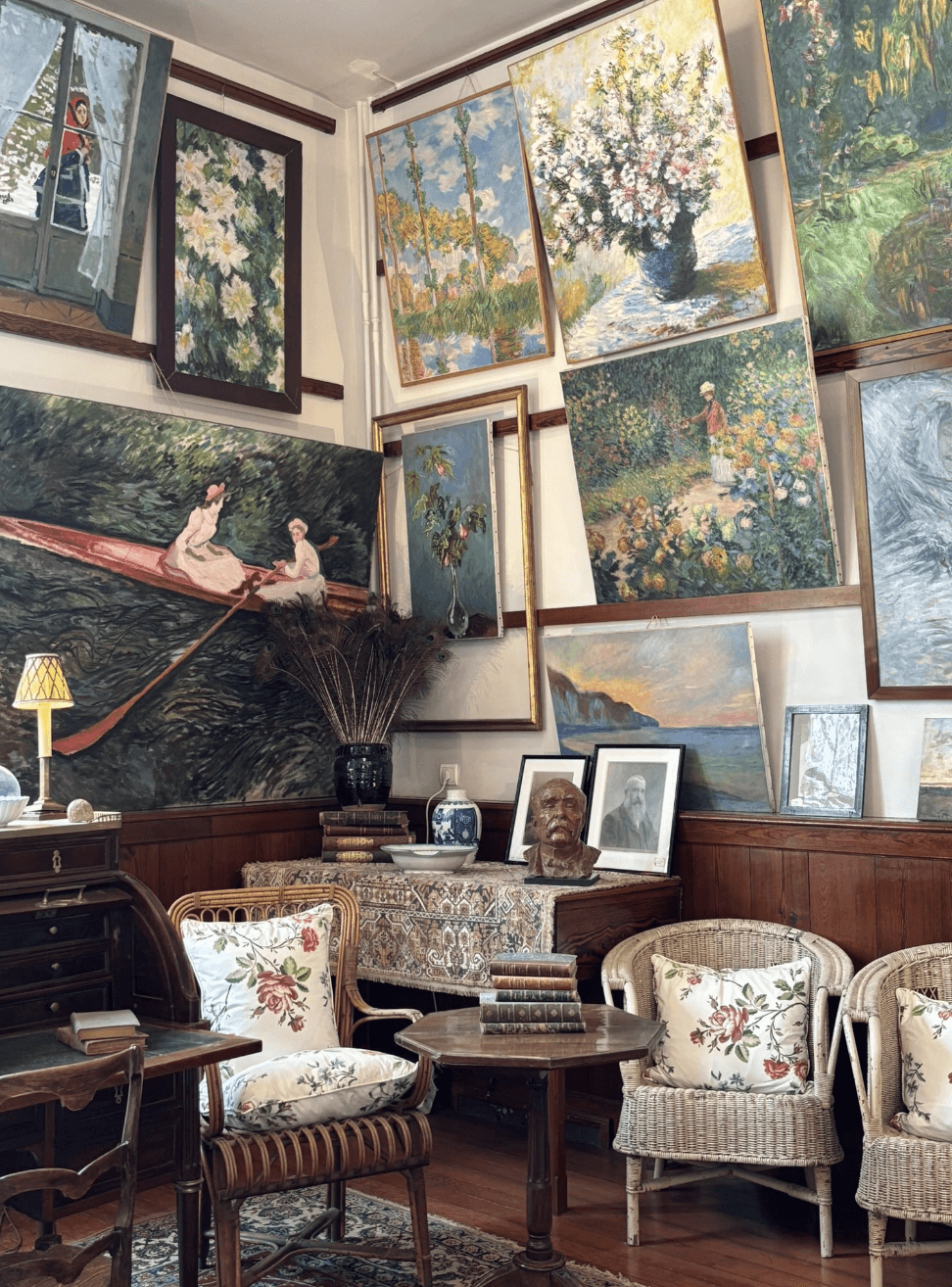
While most of us have seen his paintings at the MoMA or in Cambridge, like his famed collections of Paris's Gare Saint-Lazare or the wall-consuming canvases of his notable lily ponds, nothing prepares you to stand in the place itself, largely unchanged from when Monet first captured it over a century ago. And while he’s known by most of the world for his landscapes and gardens. Few know how much of that vision was inspired by a culture located half a world away.
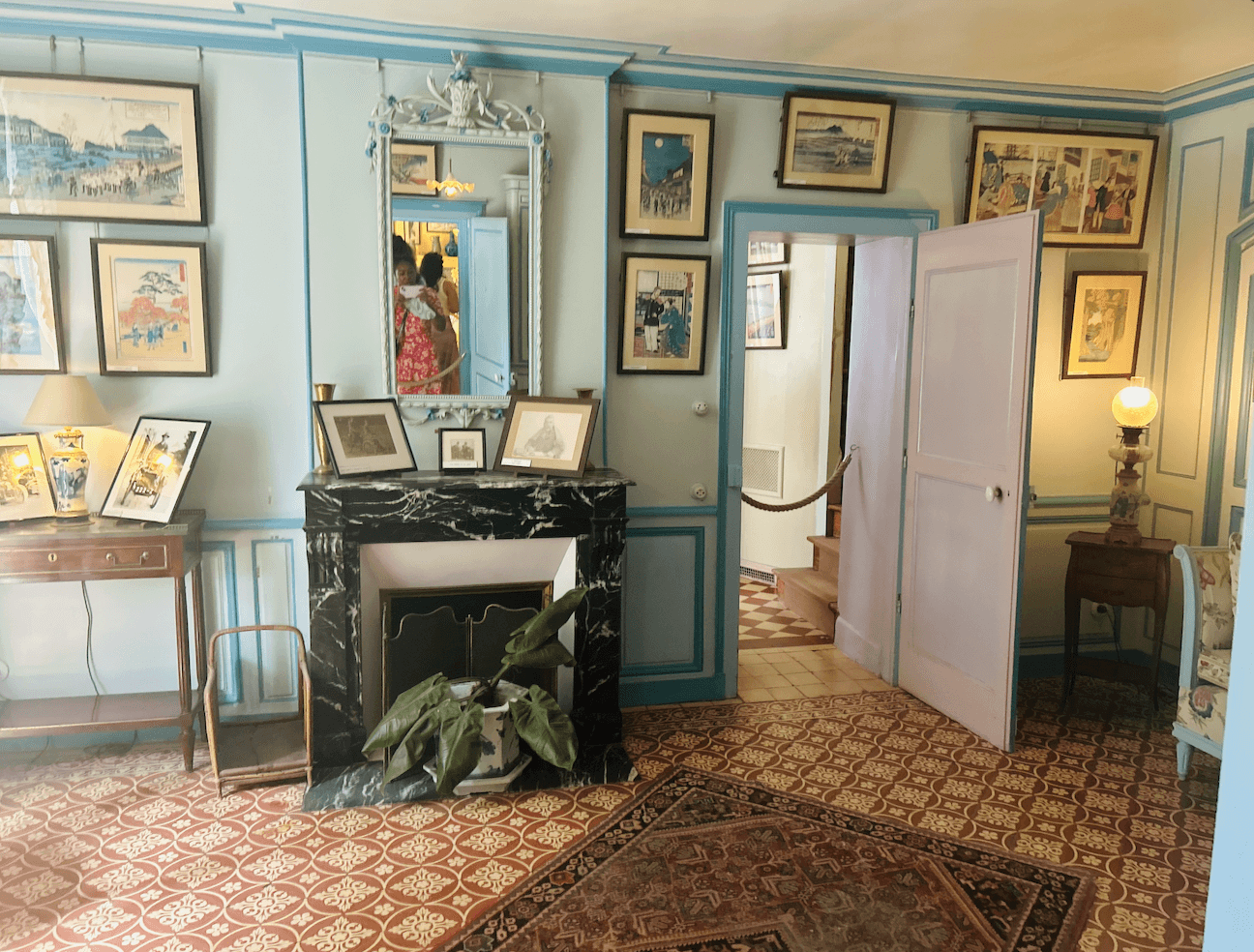
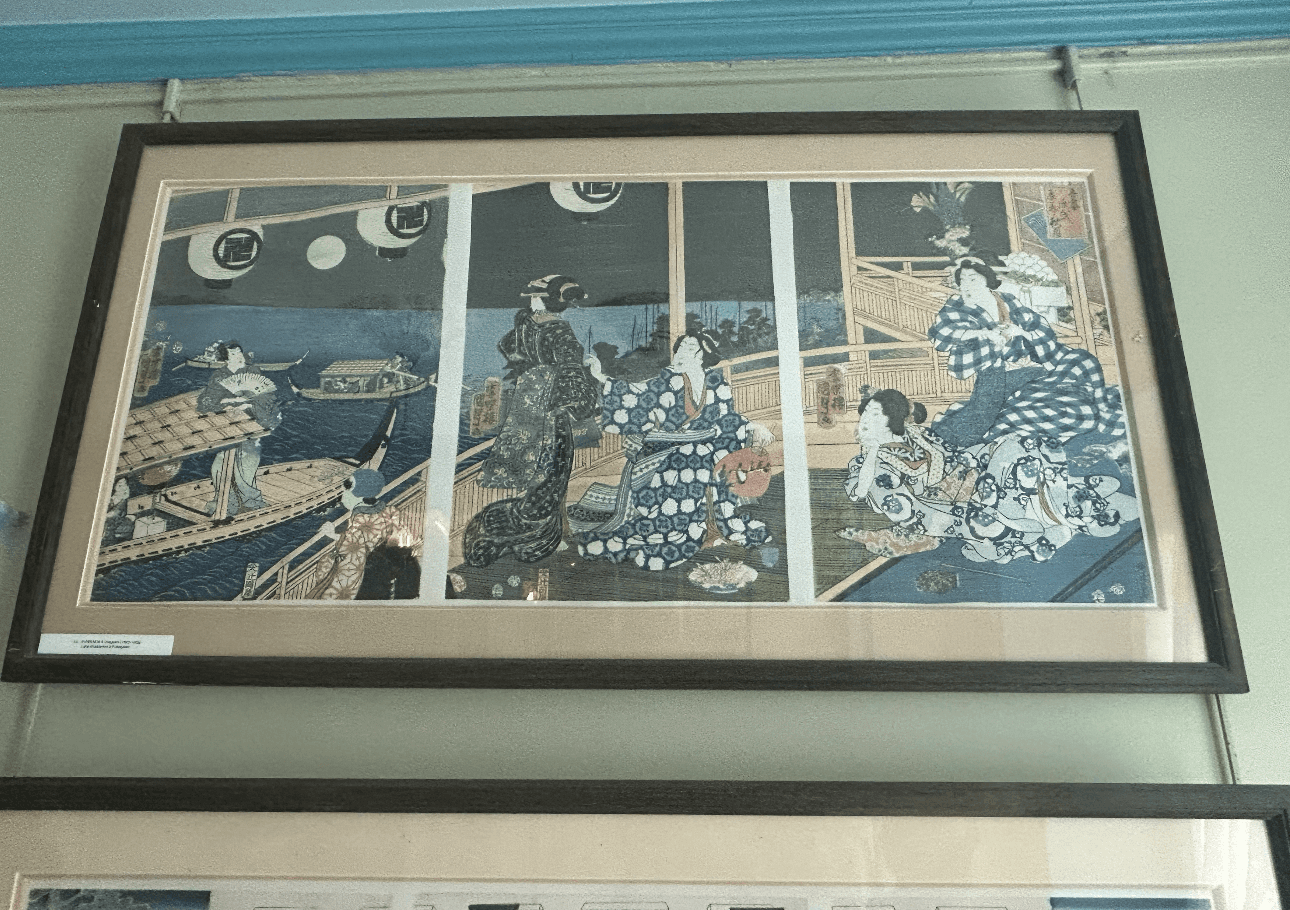
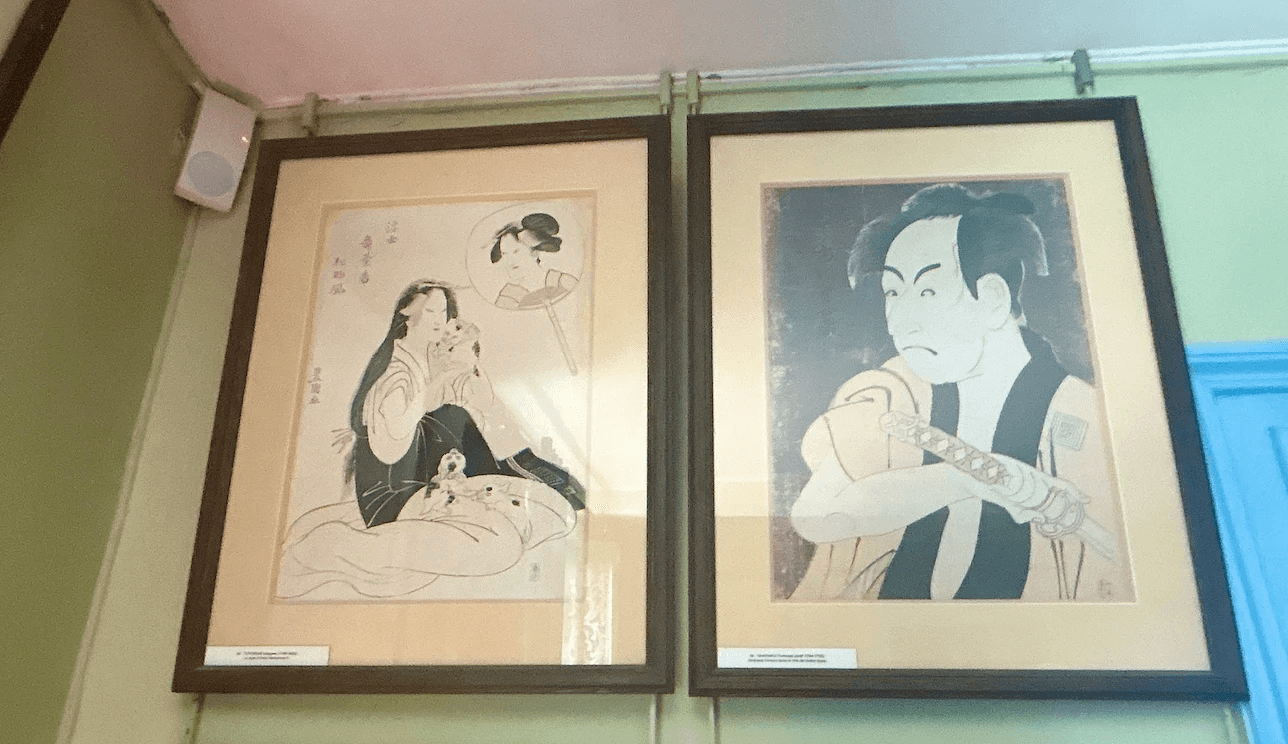
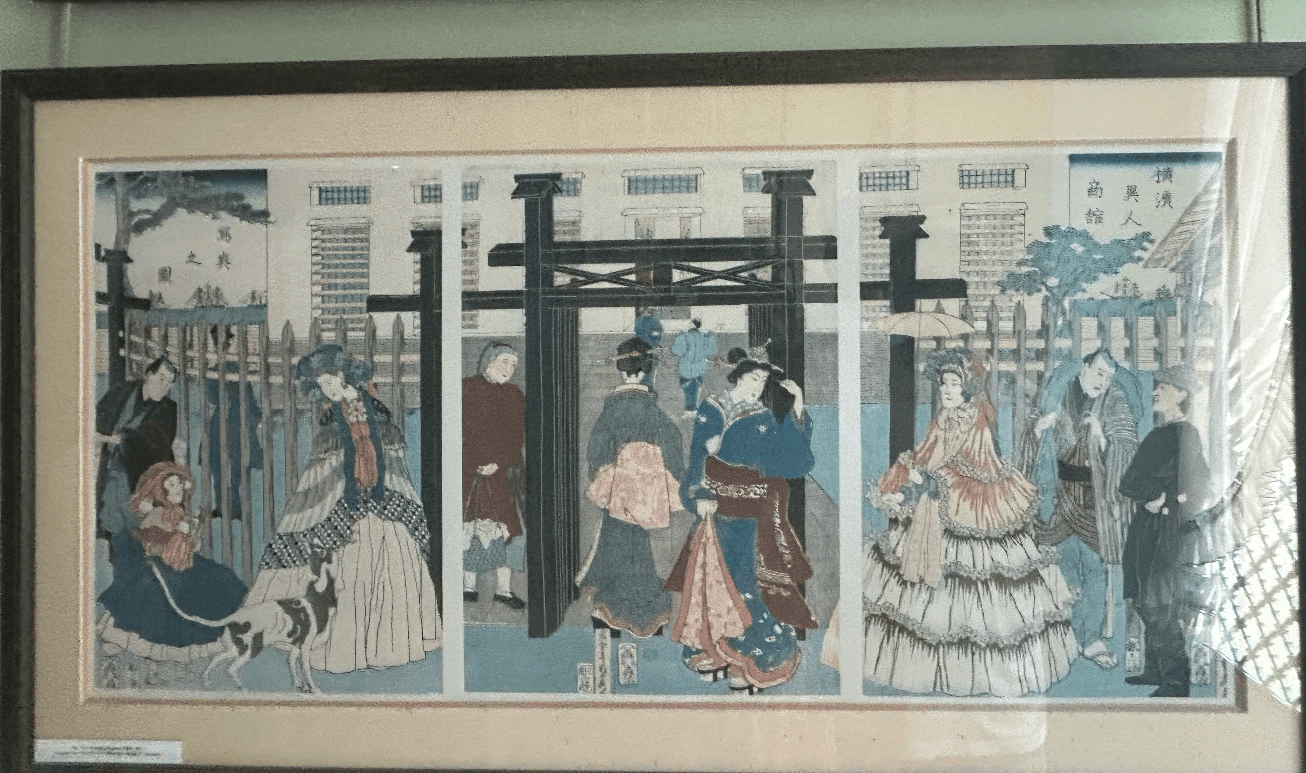
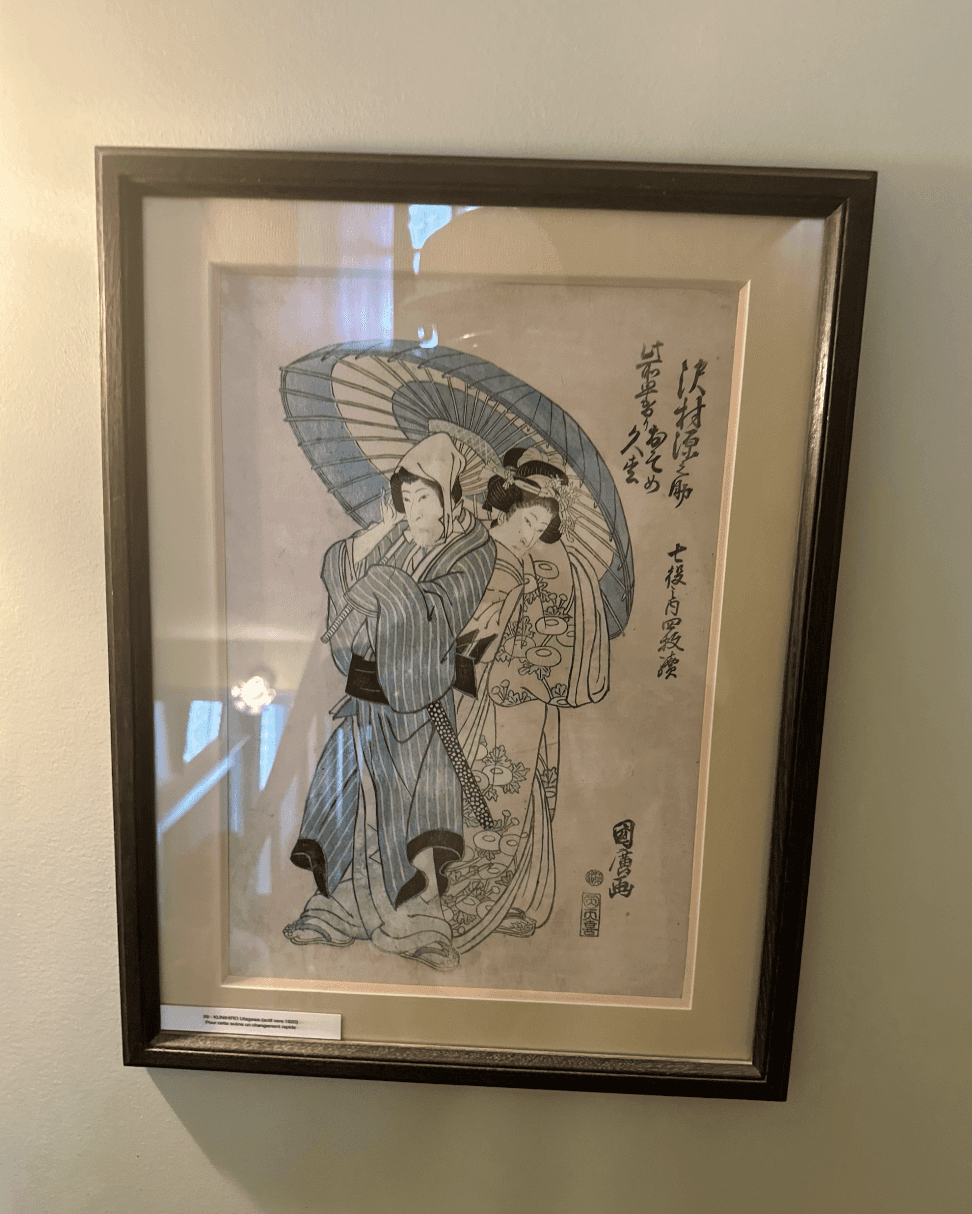
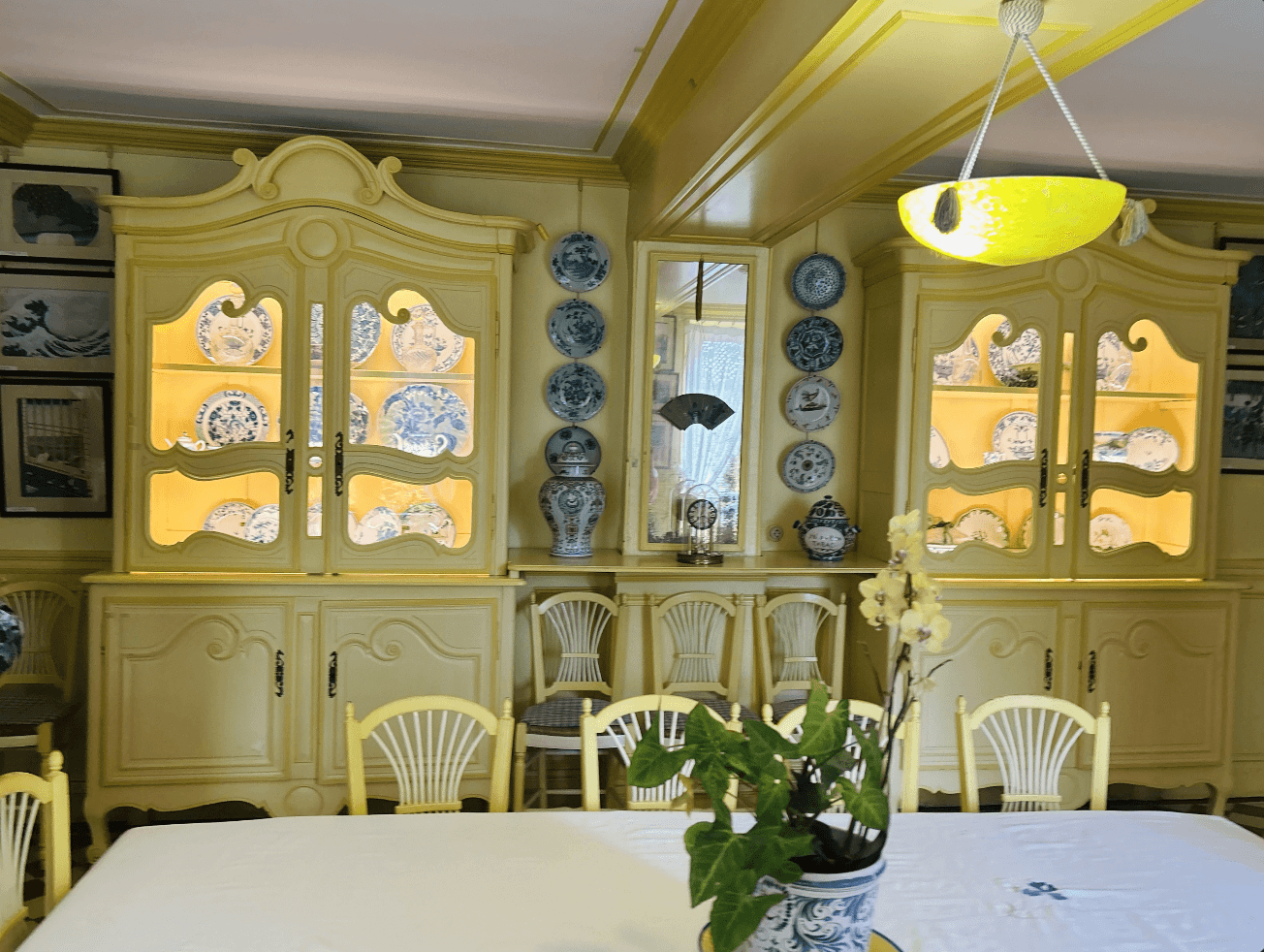
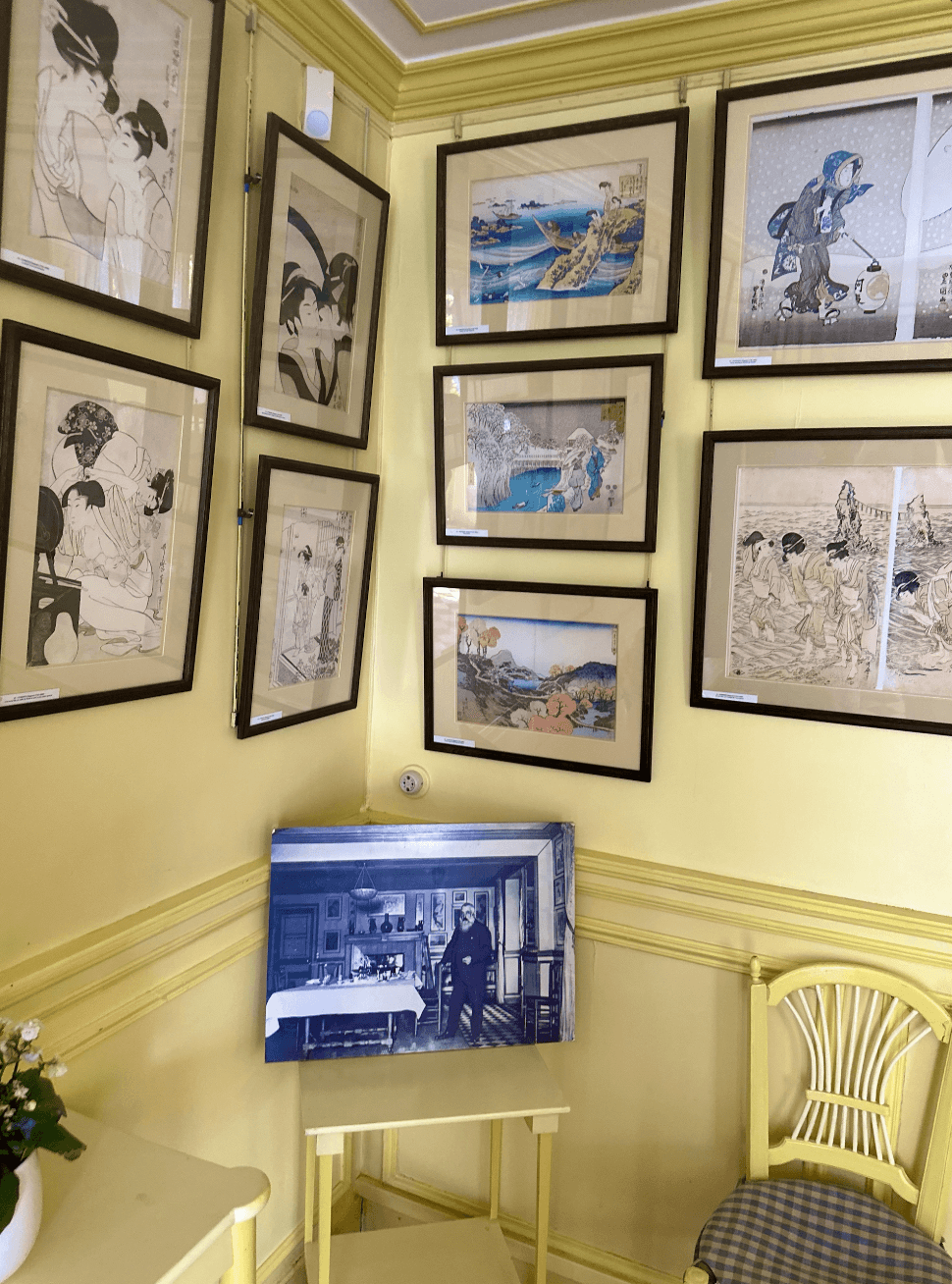
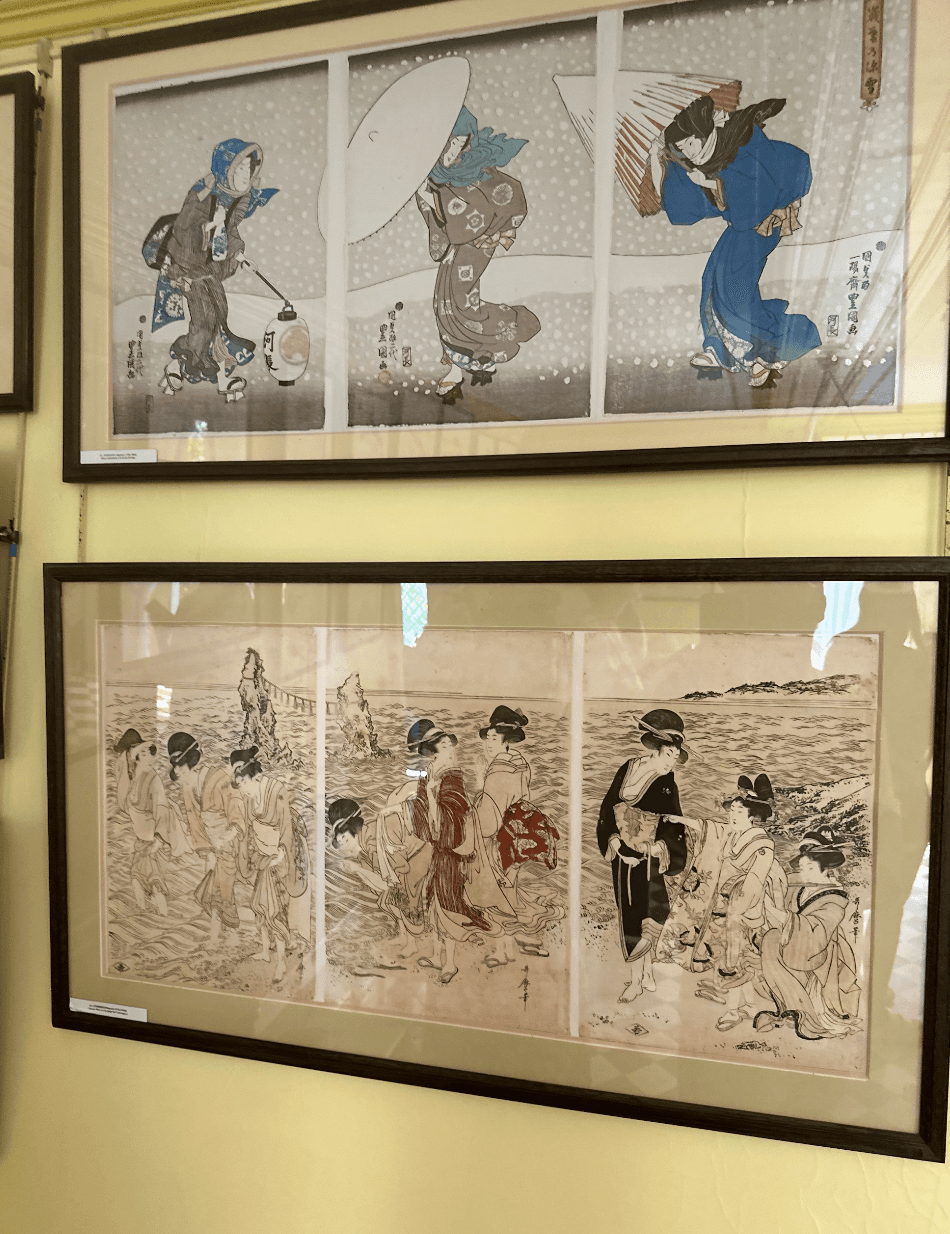
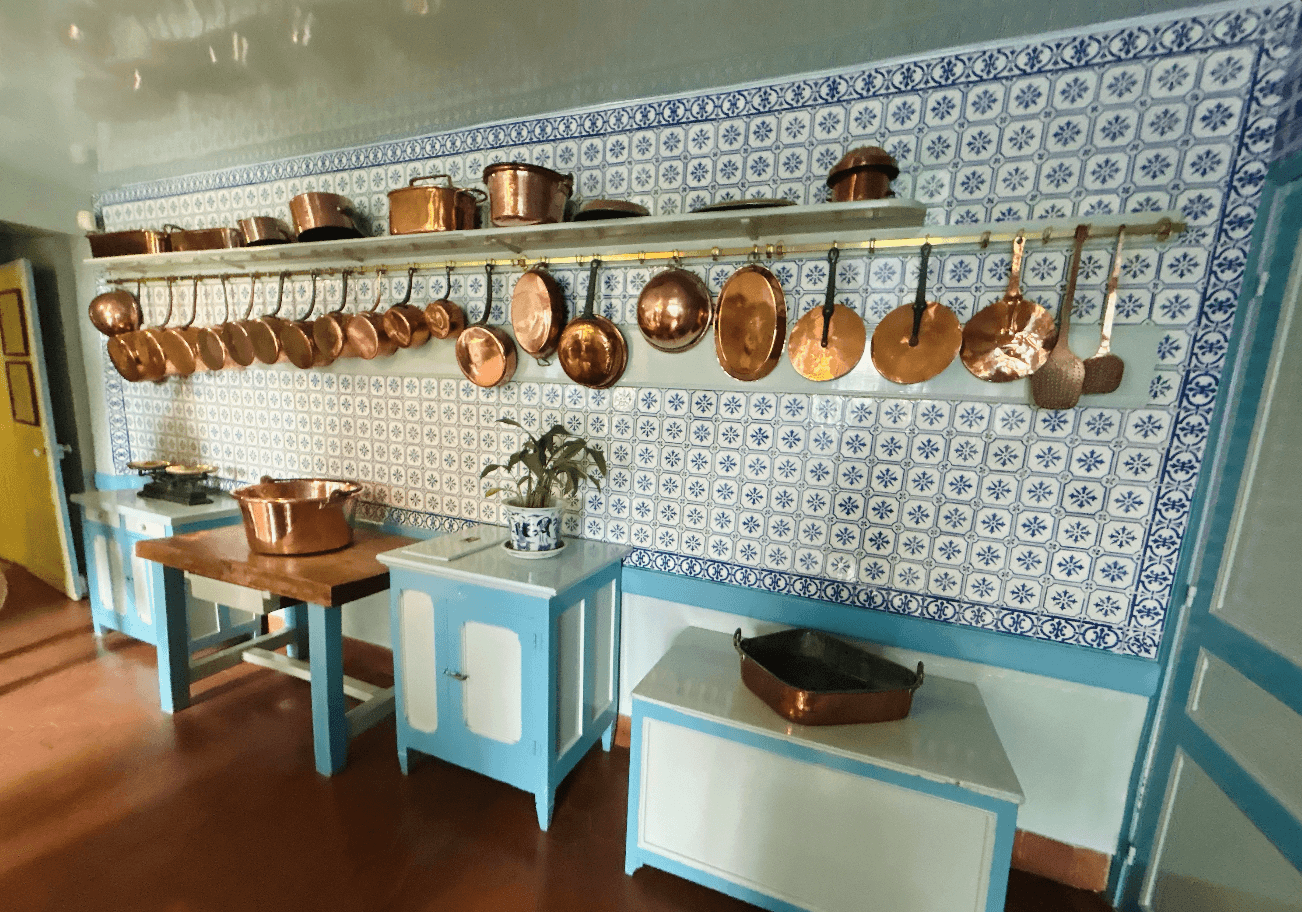
Monet's work owes a real debt to Japanese masters, such as Hokusai, Hiroshige, and Utamaro, whose techniques he studied and absorbed for decades. Over his lifetime, he acquired more than 230 Japanese woodblock prints, still hanging in his house today, now a museum frozen exactly as he left it. And while I always knew his home was full of color, nothing prepared me for how much color: from the robin’s blue of his study’s walls to the stark yellow of his kitchen and its china cabinets, where every wall is covered in those Japanese prints that so deeply shaped his eye. There's even a small glazed ceramic cat figurine (Japanese-made, mid-19th century), sitting on a cushion in the bright yellow dining room, surrounded by his Japanese prints.
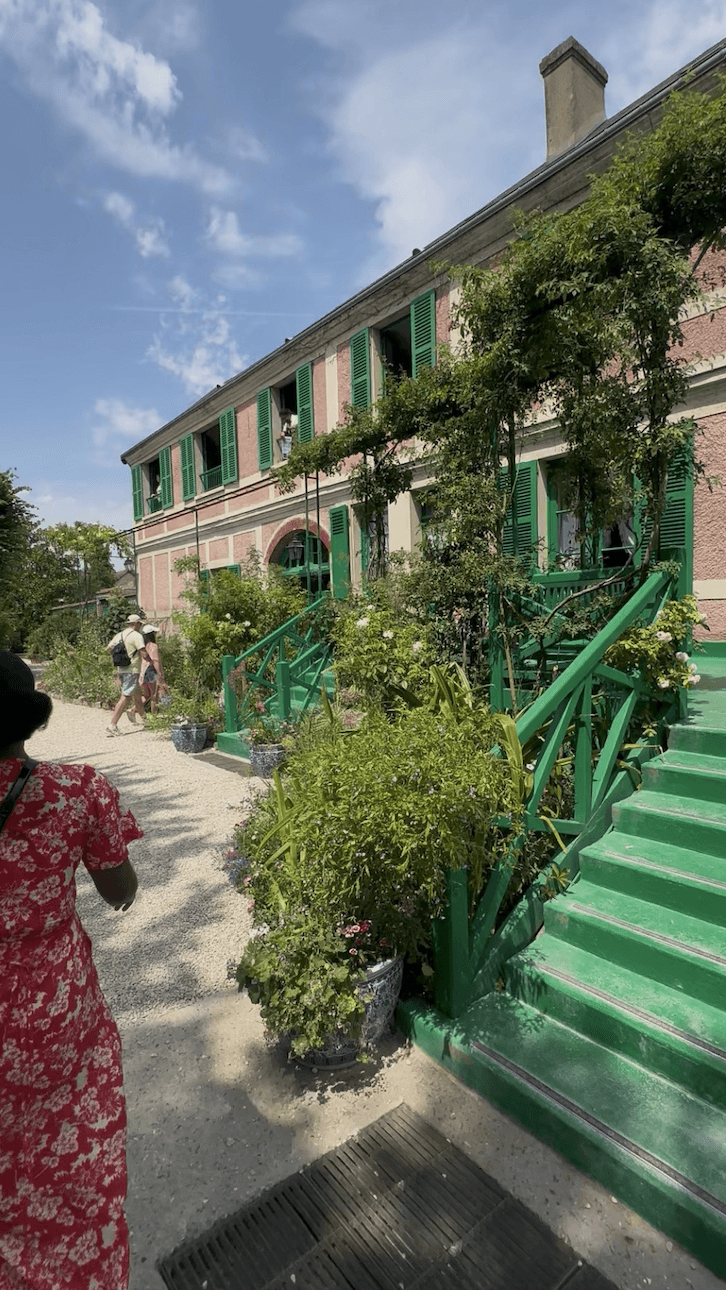
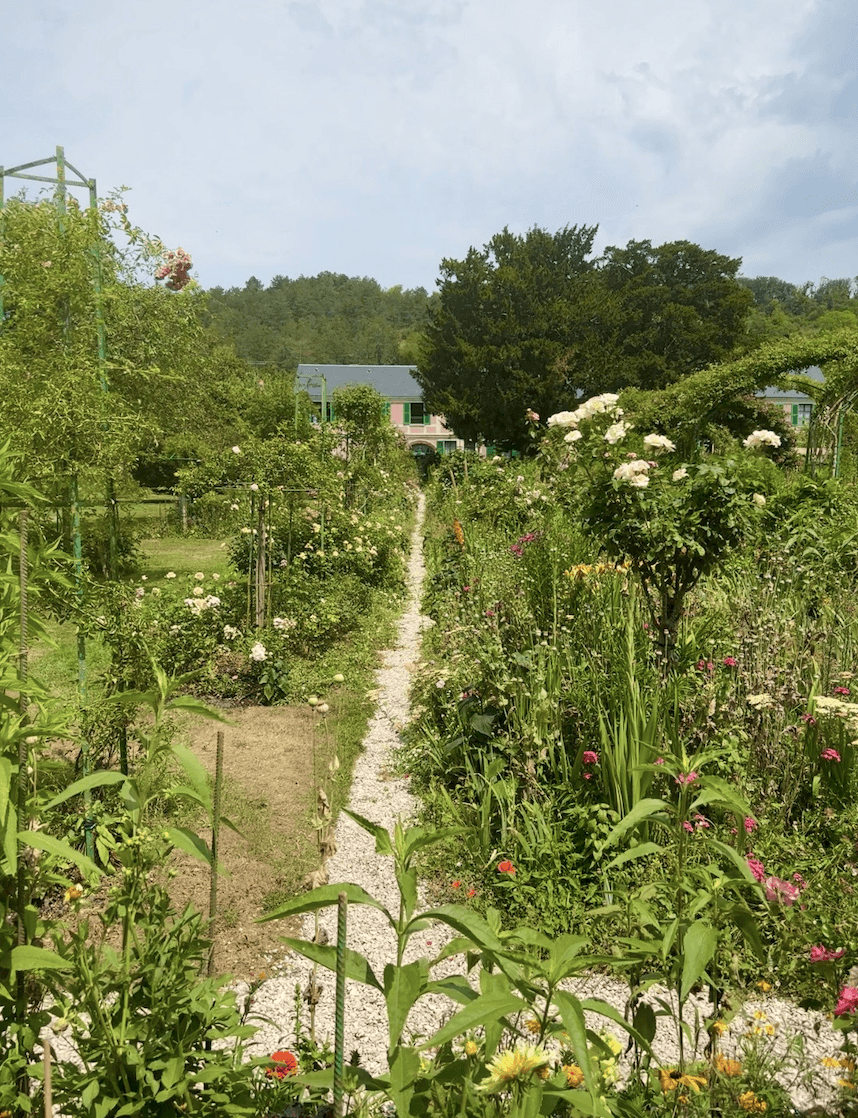
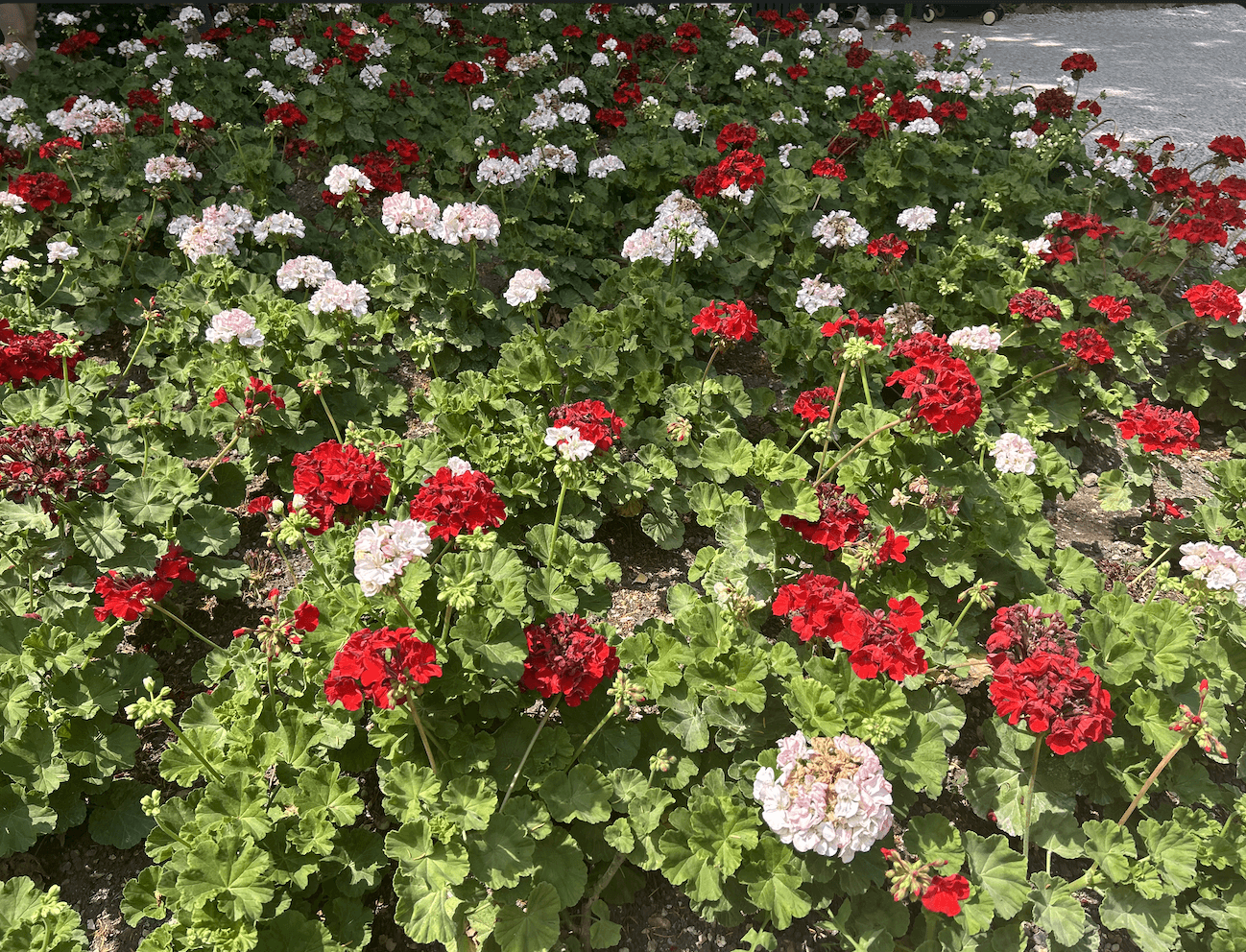
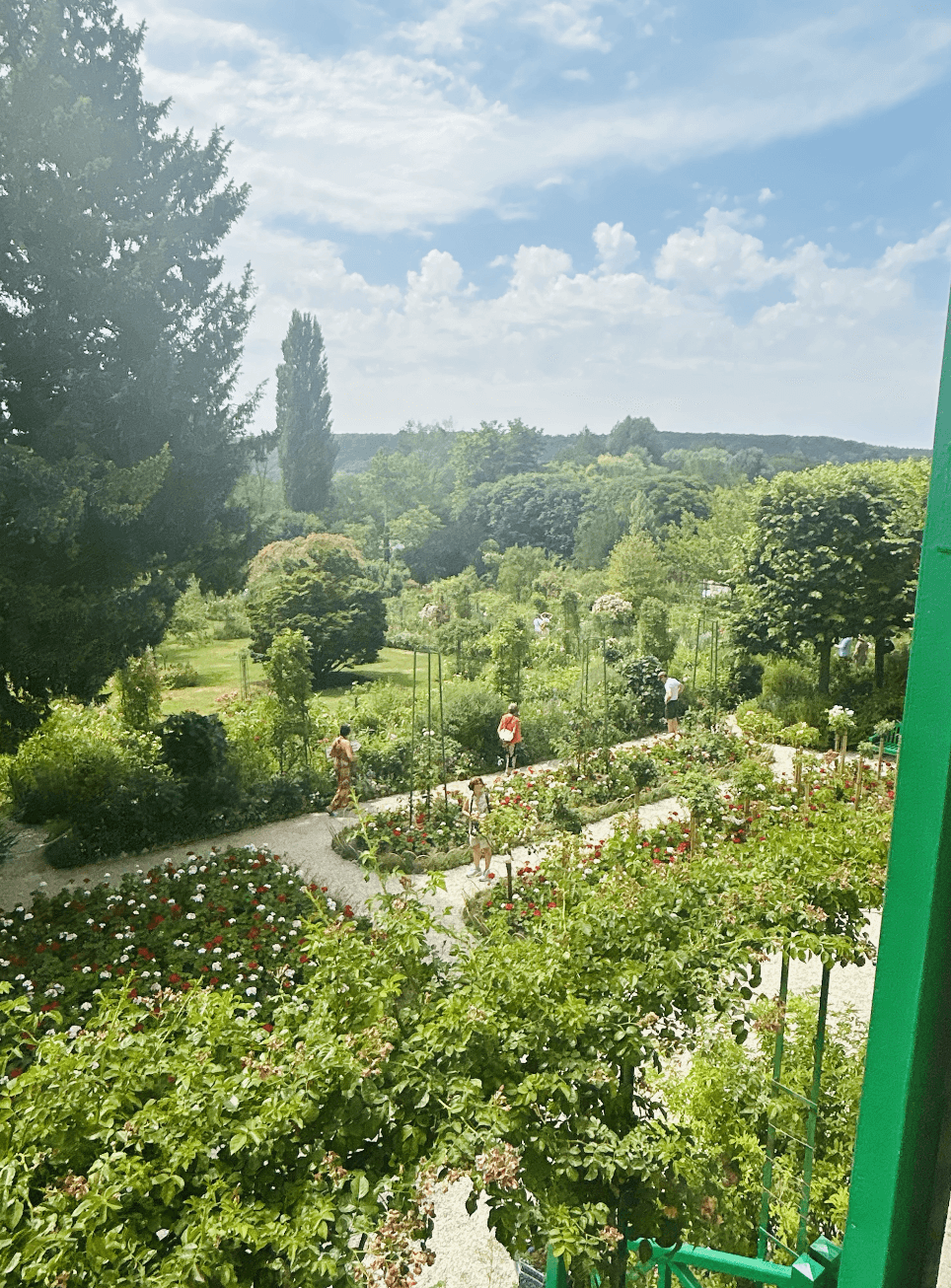
From the top floor, you can look straight down into the gardens he spent years cultivating, from the footbridge to the lily pond, all a quiet homage to Japanese masters who preceded him by decades, and sometimes a century before he was even born. And wandering through that garden, I couldn't stop thinking about the shoulders we writers stand on: the giants like Shakespeare or Toni Morrison, who have all played their role in adding to the collective knowledge of storytelling.

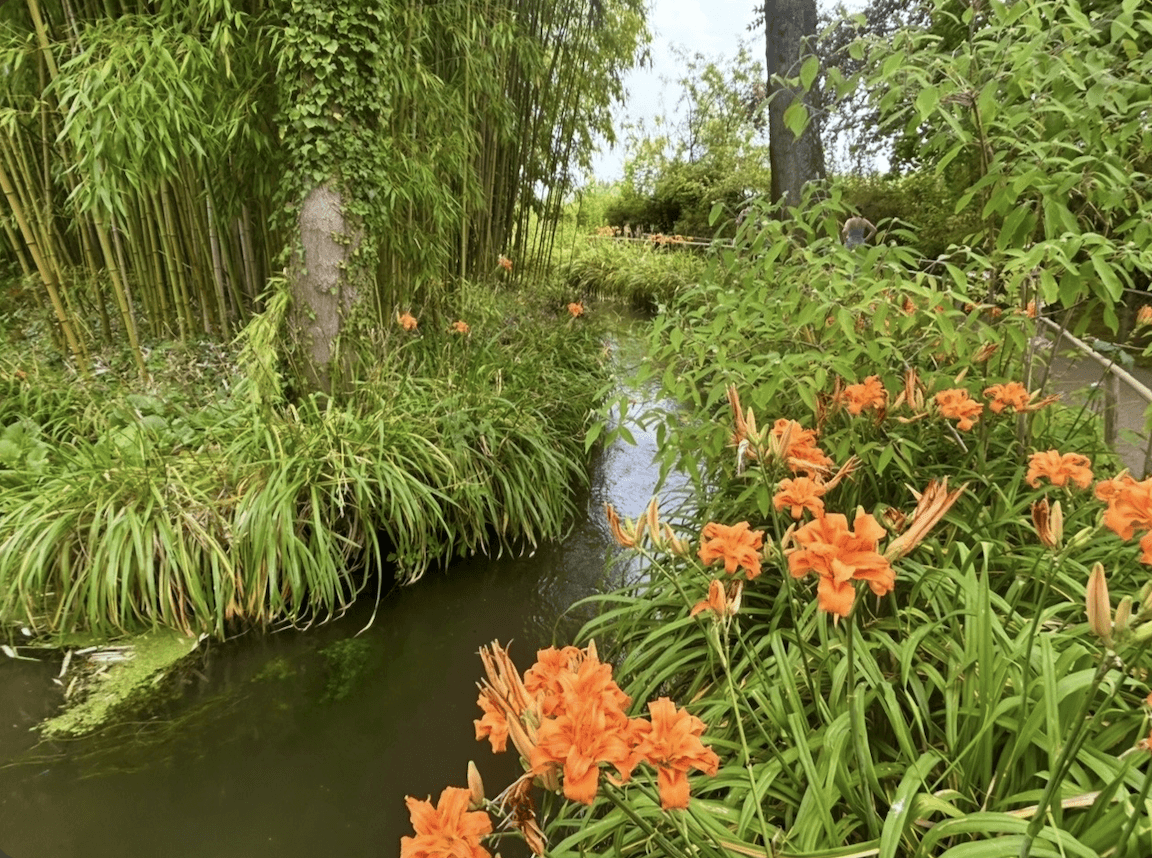
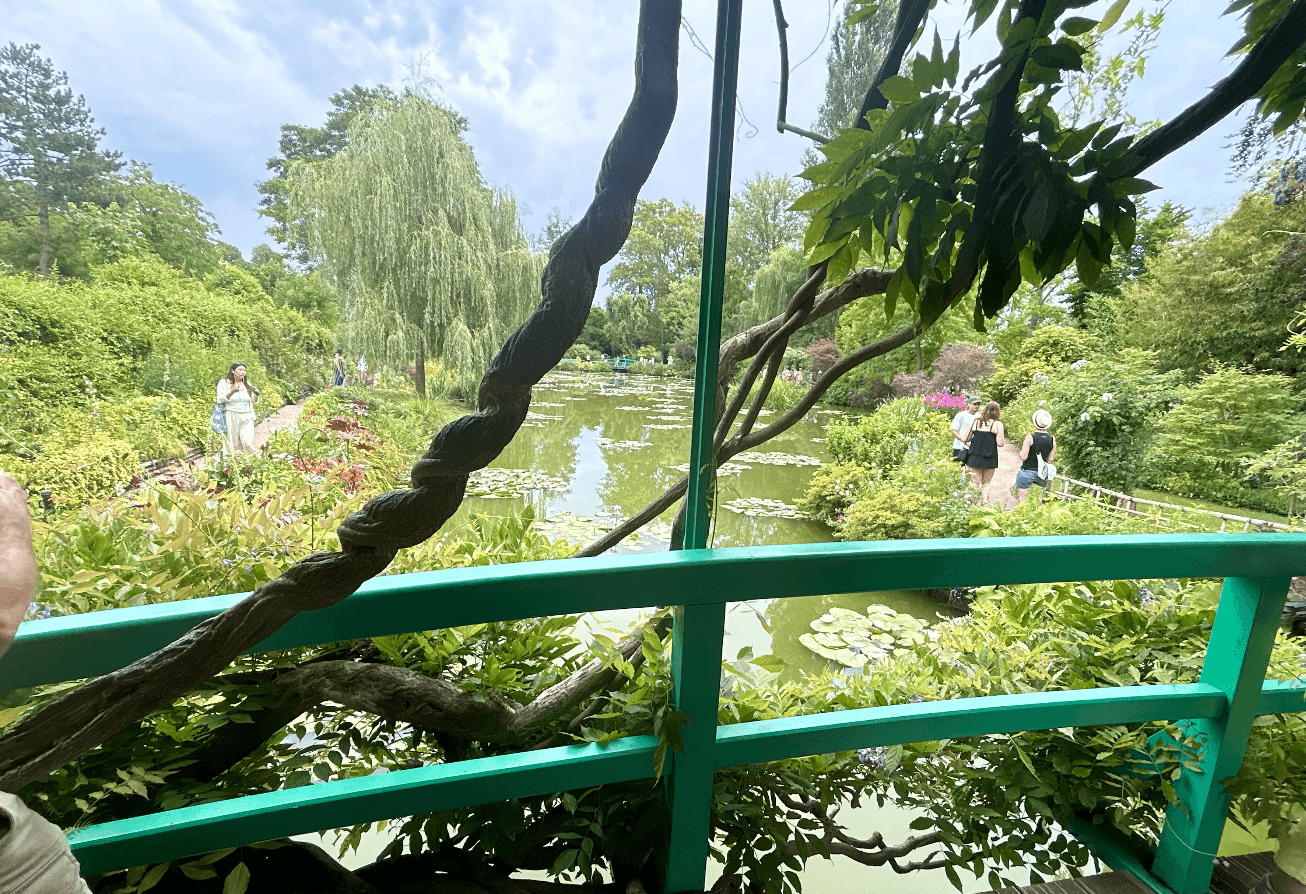


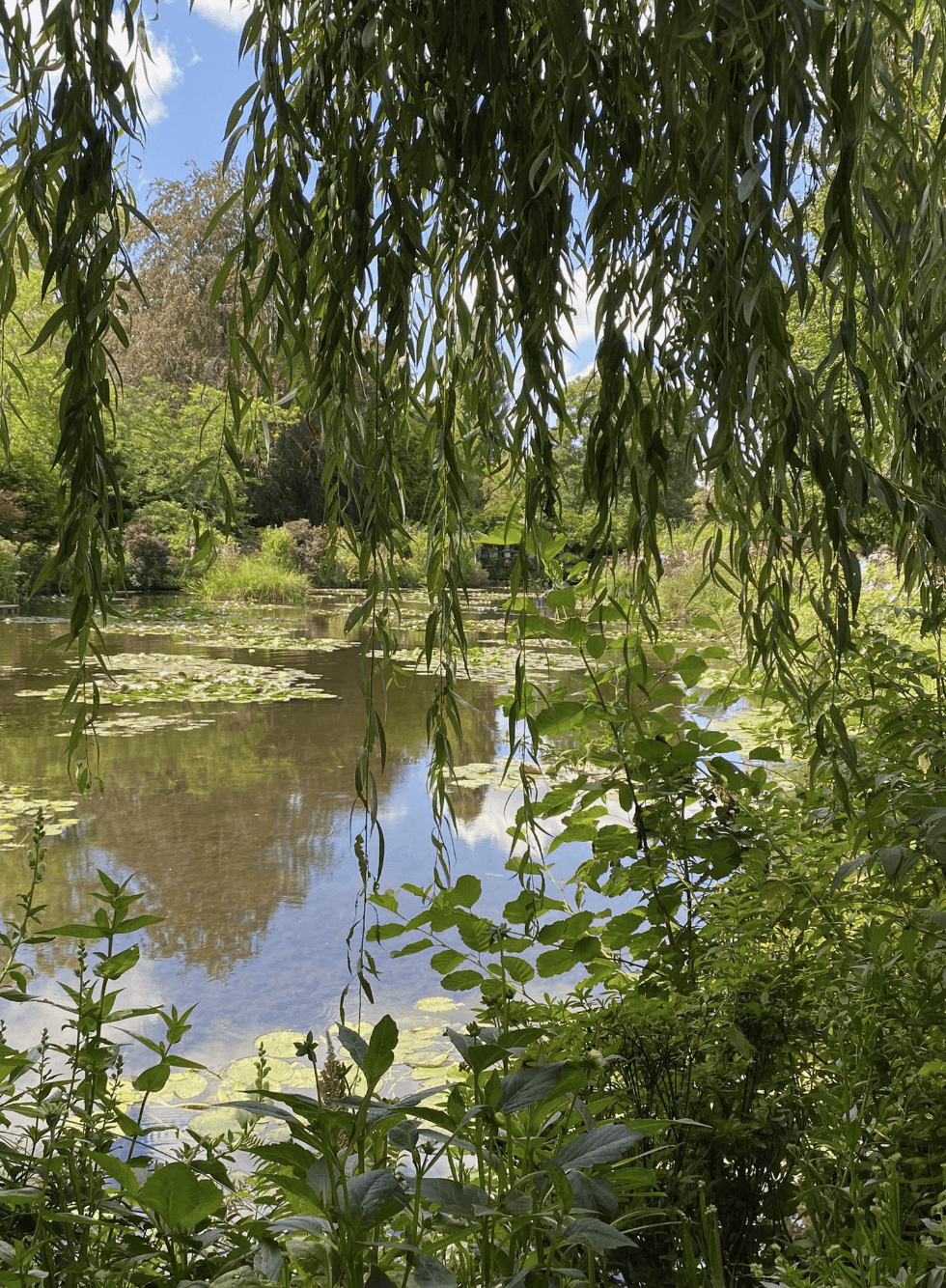
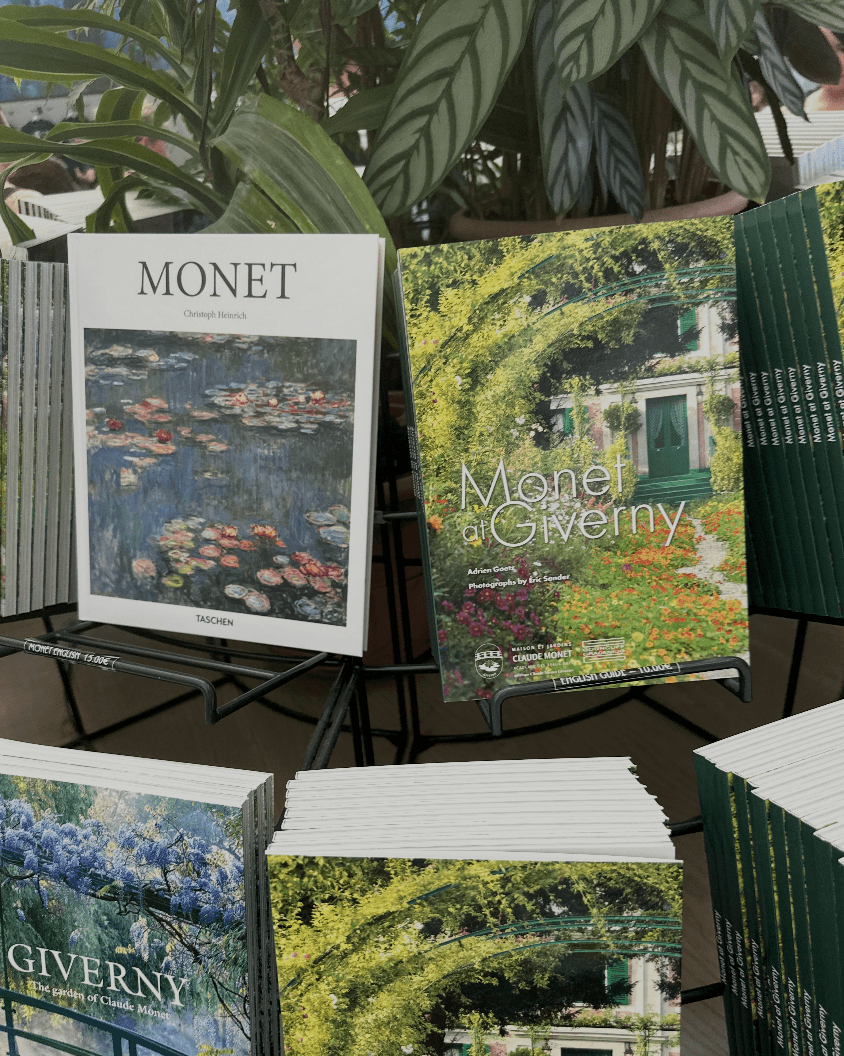
Like Monet's house and gardens, there's a whole layered story here: his years of penury, the hospitality he showed friends and their sprawling families, the constant tug of war between painting what moved him and painting what would keep his family fed, a struggle he shared with friends like Degas. The same reckoning most artists, across every century, have had to face in some painstaking fashion.
And when Monet’s vision began to fade, cataracts blurring the ponds as though looking through misted glass, he kept painting anyway. The water lilies got looser, the color more unmoored from what was actually there, reds turning muddy, yellows bleeding into everything else. For years, art historians treated this as a tragedy, a great colorist losing his instrument. But stand in front of those late canvases now, and you'll see something else: the paintings that came out of his failing eyes are the ones that quietly gave permission to everything that followed.
Abstract expressionism, and what museums nowadays call modern art, can all be traced back to an old man in Giverny who couldn't see clearly anymore and painted what he saw instead of what he'd lost.
That's the part of the inheritance story nobody tells you. Monet spent his life standing on the shoulders of Hokusai and Hiroshige, and by the time his sight failed him, without ever meaning to, he'd become the shoulders someone else would eventually stand on.
Biking back to Vernon, these were the thoughts that stayed with me. I came looking for legacy, and instead left wondering what the next generation of artists will leave behind.