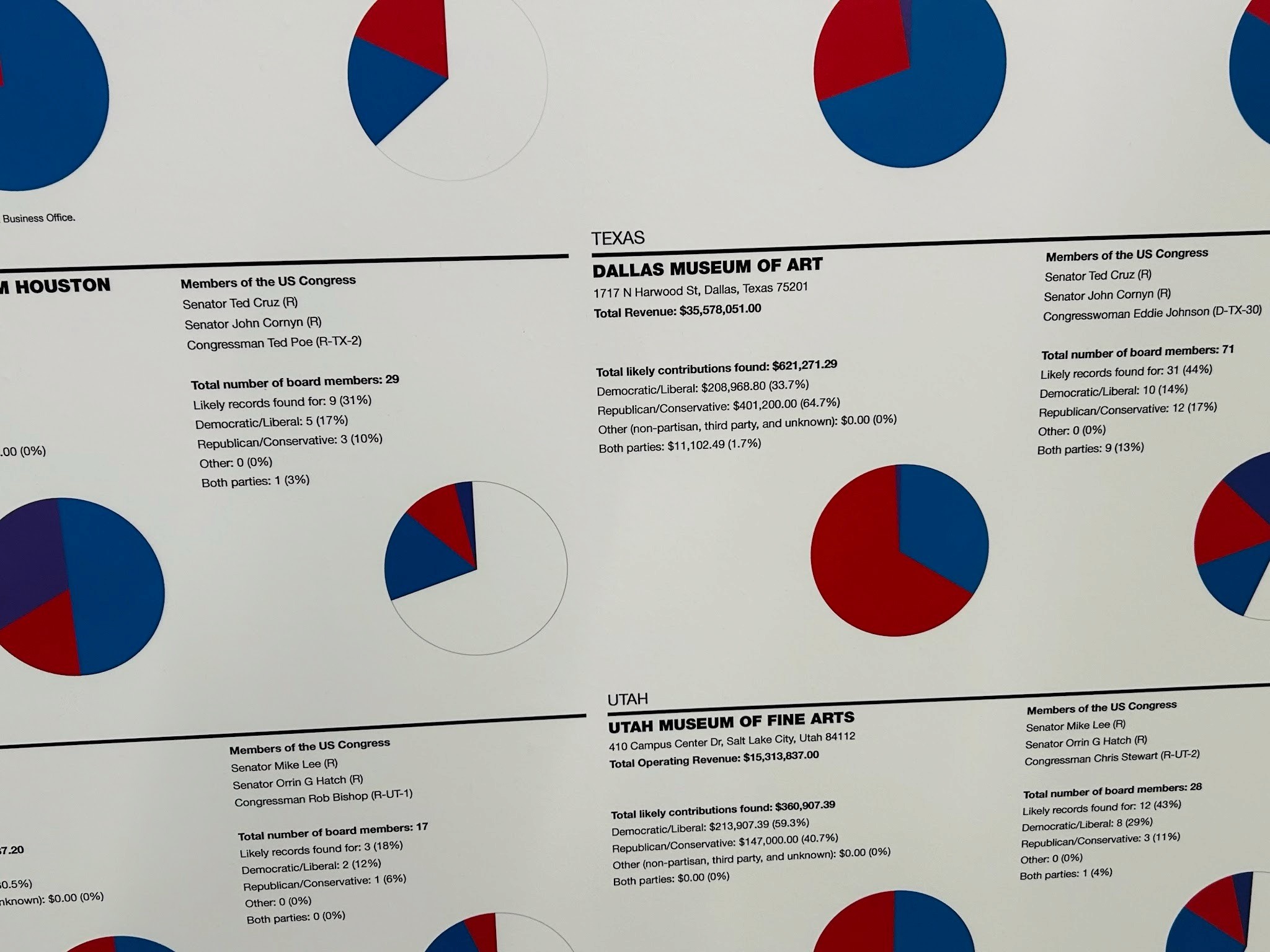
Despite what most people may assume, I wasn't on my phone or passing a billboard. No, in this particular instance, I was standing in a museum, staring at a wall roughly 6,000 miles from home. Yet there it was, a wall documenting every major museum in the United States, by pie chart no less. And it didn't just stop there. These artistic cards delved further, listing out board members, revenue figures, donation percentages; the kind of data I was used to looking at on a daily basis, all synthesized down into a careful dashboard hung at eye level.
Though the thing I found most fascinating, was that this bit of data was on display at the Palais de Tokyo, at an exhibit called Echo Delay Level (American Art, Francophone Thought).
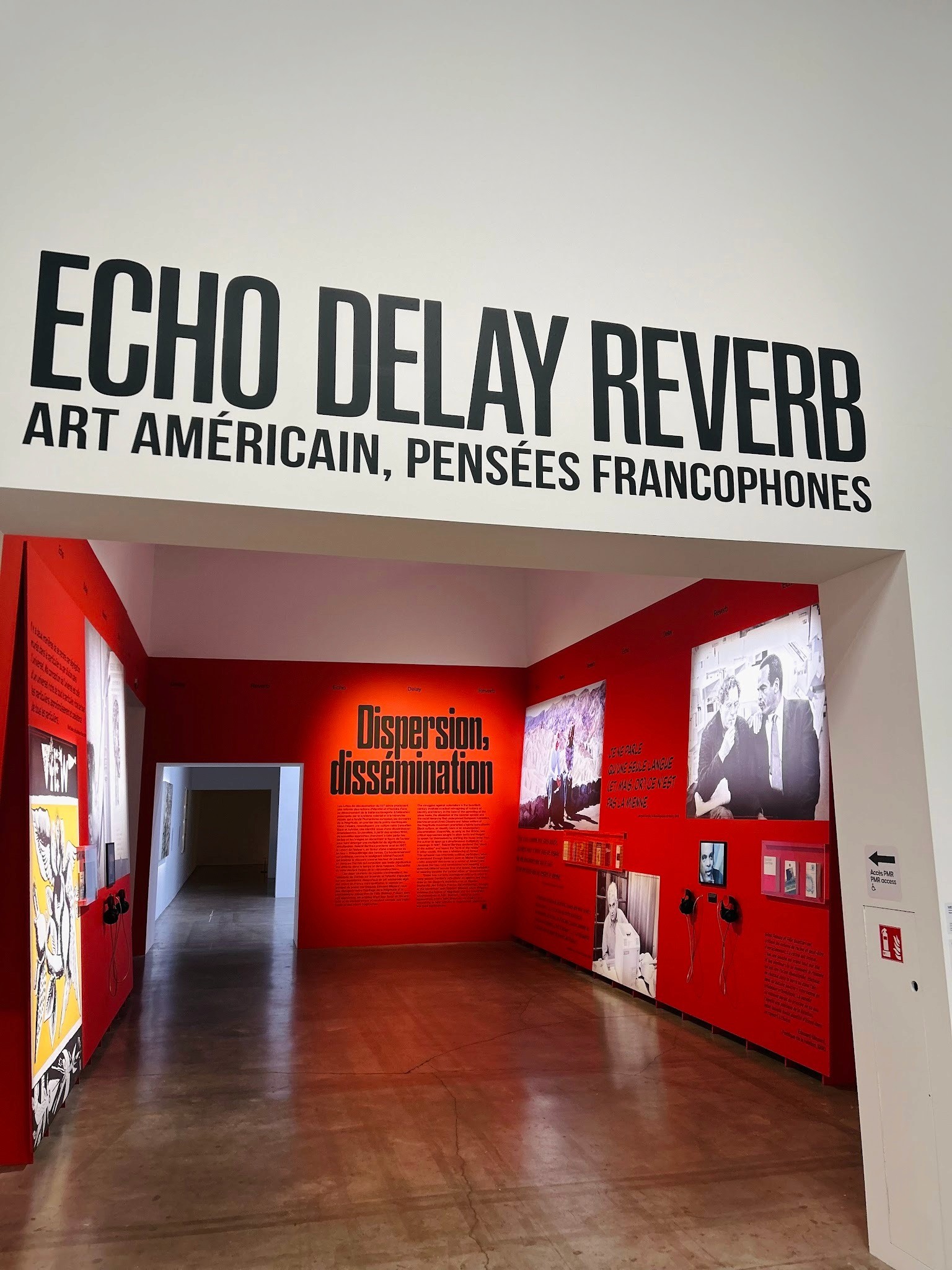
Honestly, when I wandered into a museum in Paris this year, I was somehow expecting to be inundated with art either from Tokyo (given the museum’s name) or at least of Parisian leanings. You know, something I couldn’t find back at home. Instead, I found the United States, particularly Houston, Texas, of all places.
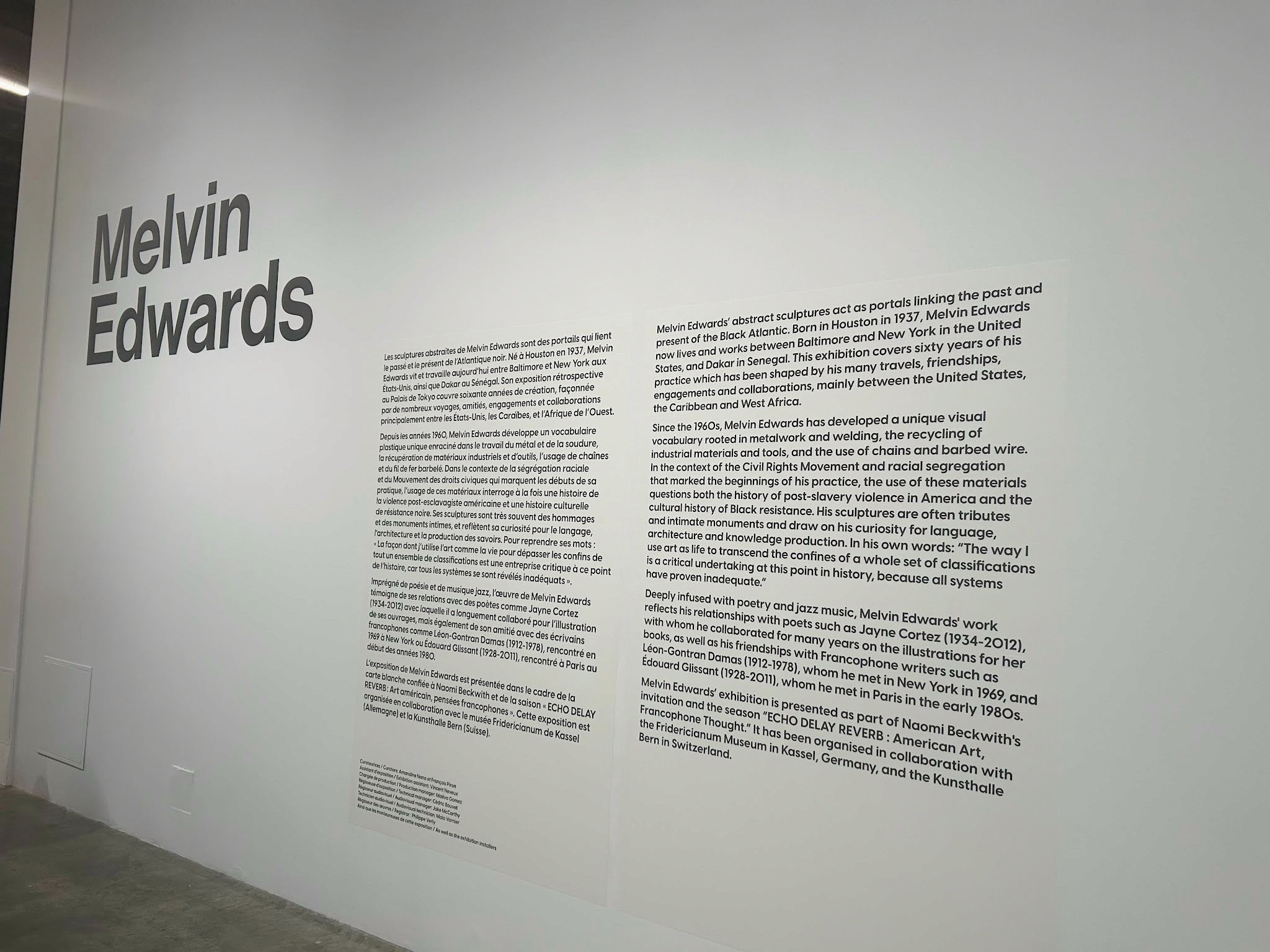
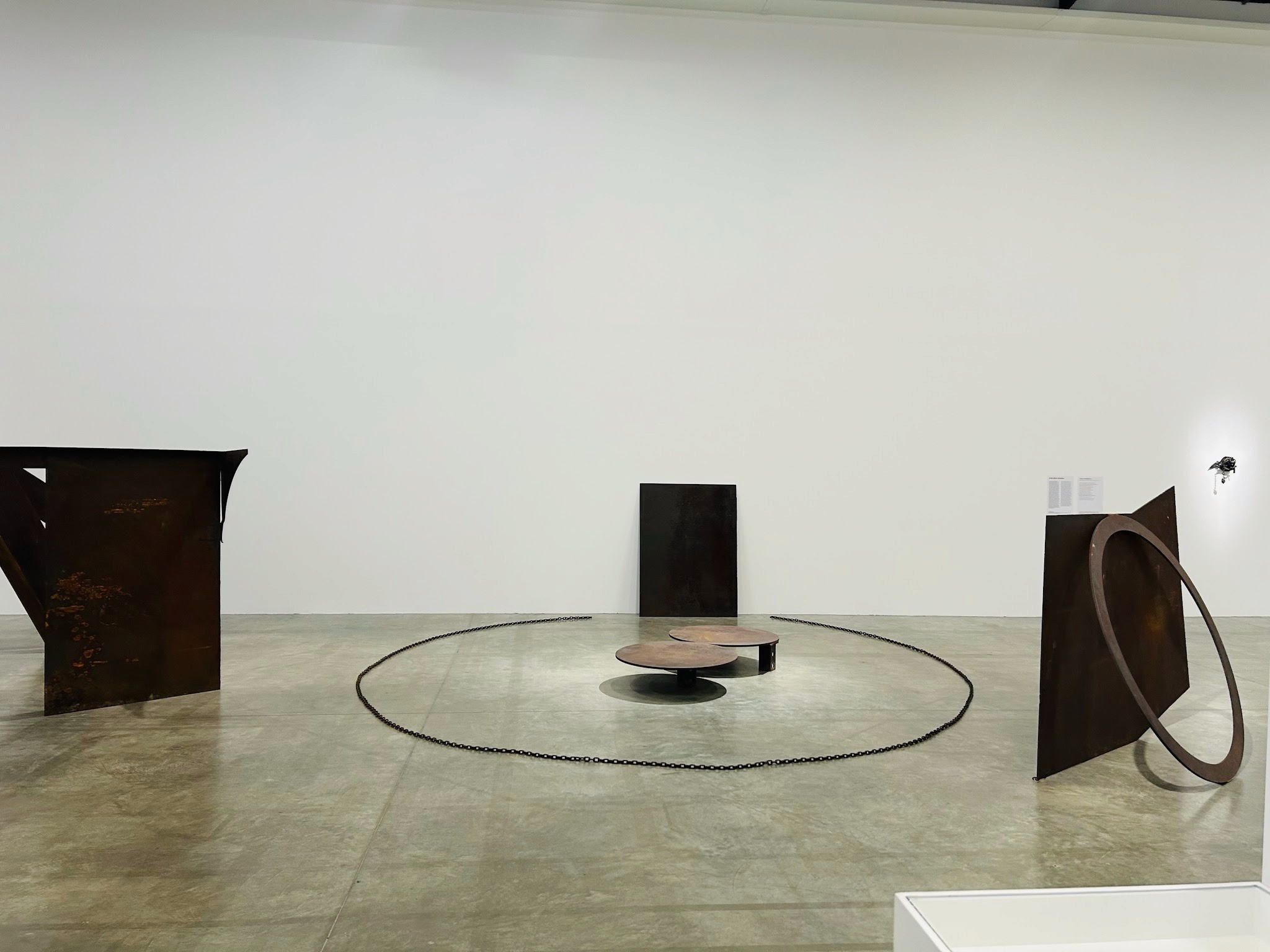
One of the largest exhibits belonged to Melvin Edwards, born in Houston in 1937 and currently living between Baltimore, New York, and Dakar. His art, mostly sculptures, consists of chains, barbed wire, industrial tools, and abstract pieces that are heavy and cold to look at. In the museum, it followed his sixty years of work that is meant to bridge the gap between the Atlantic, and I remember standing in front of pieces for a long time, feeling a sort of disorientation of encountering familiarity where there should have been none, especially after traveling such a far distance.
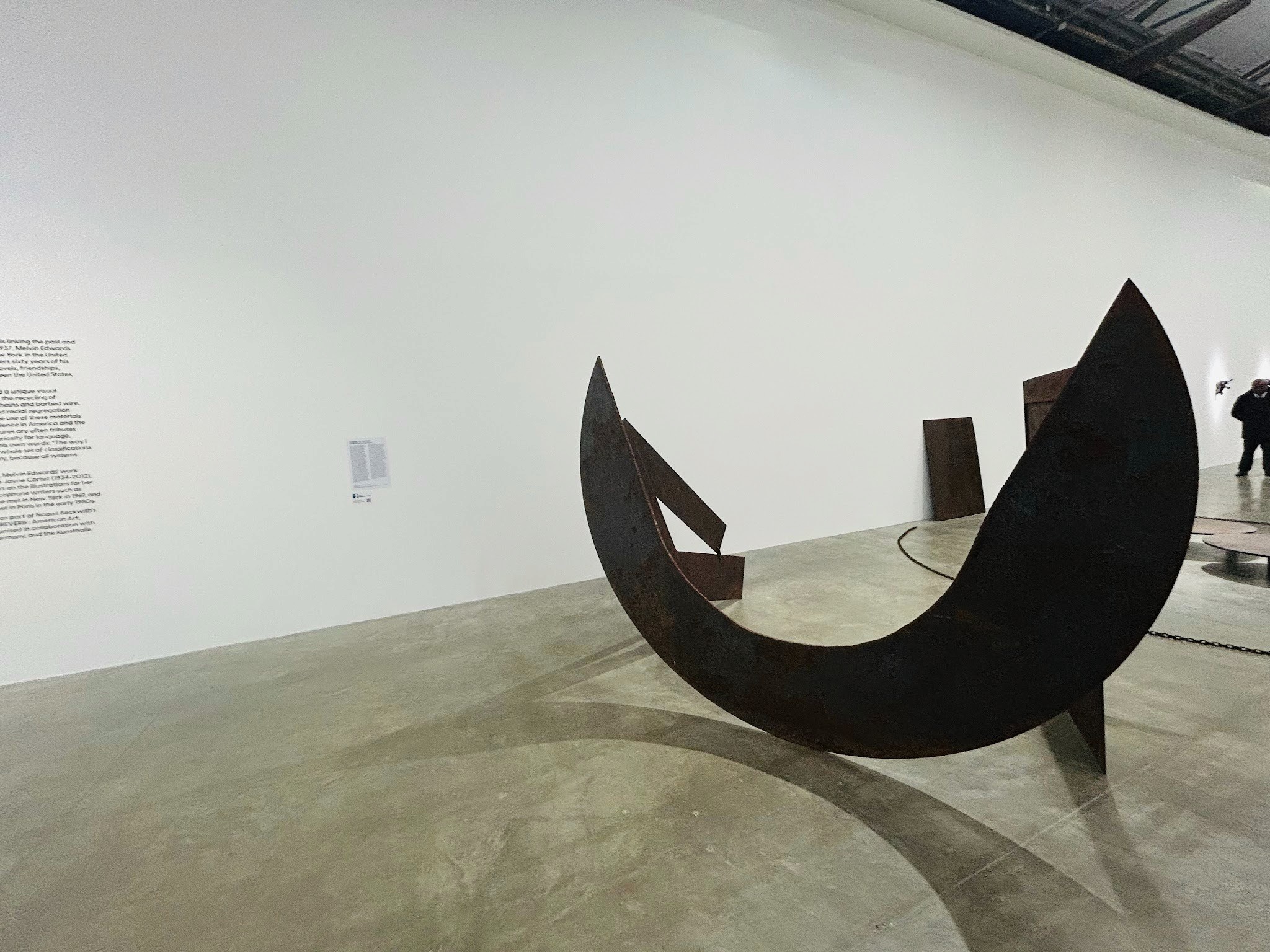
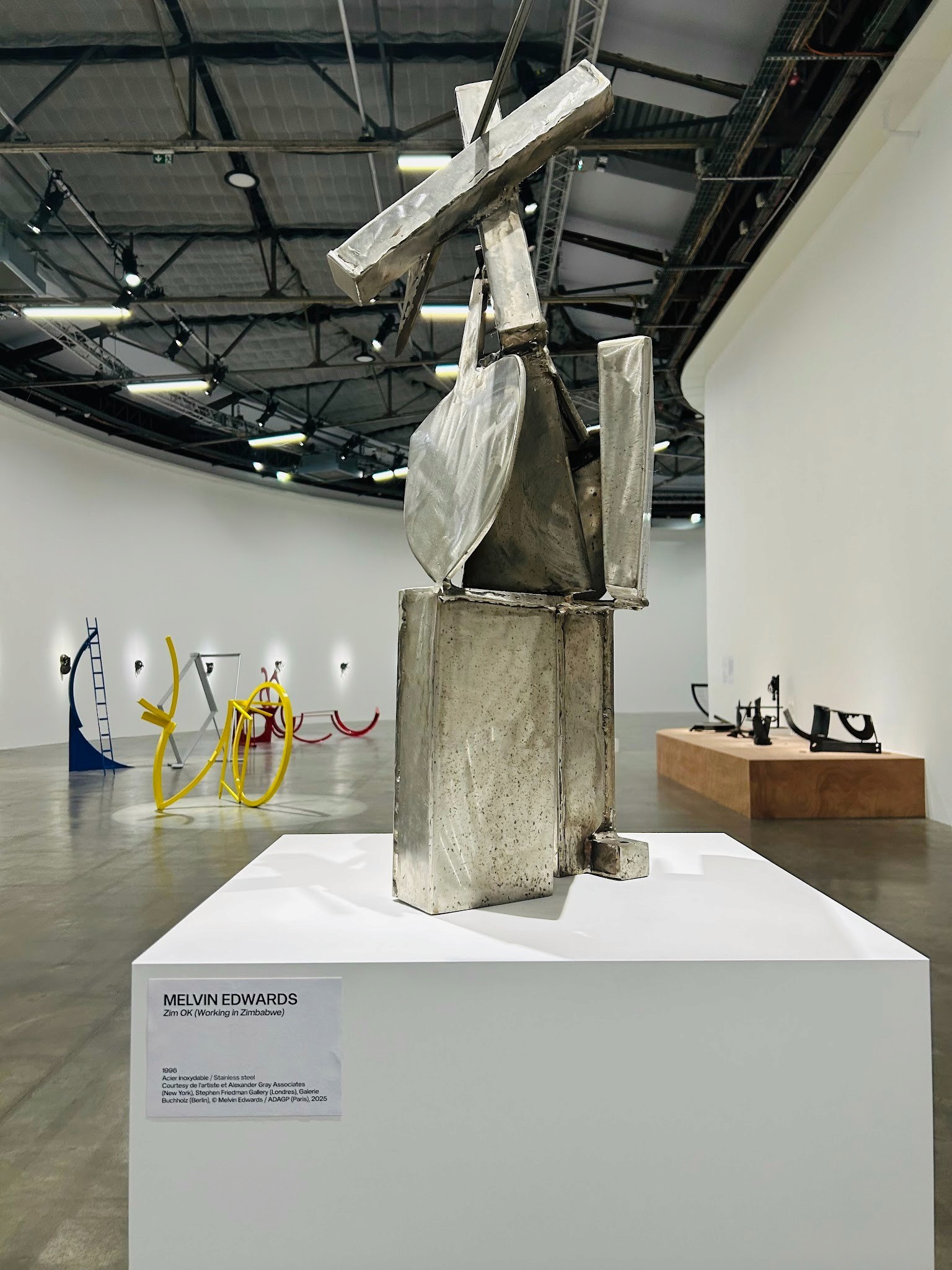
To be honest, the last person whose art I expected to come across was Melvin Edwards, or any of the art I would find myself crossing paths with that evening.
As I further ventured through the exhibition, it became clear to me that this wasn’t a celebration, the Francophone world hosting American art. No, it was studying it, holding it under a microscope and turning it slowly over, observing it the way you observe something you’re trying to understand from the outside. In another room, there was a banner about the Louisiana Purchase rendered as a list of words on a tapestry, while in other rooms, there were boards about abortion in 1980s America. And then there were those jarring pie charts: museum boards, political donations, revenue streams, state by state, hanging across an entire wall like a map of something that usually stays hidden.
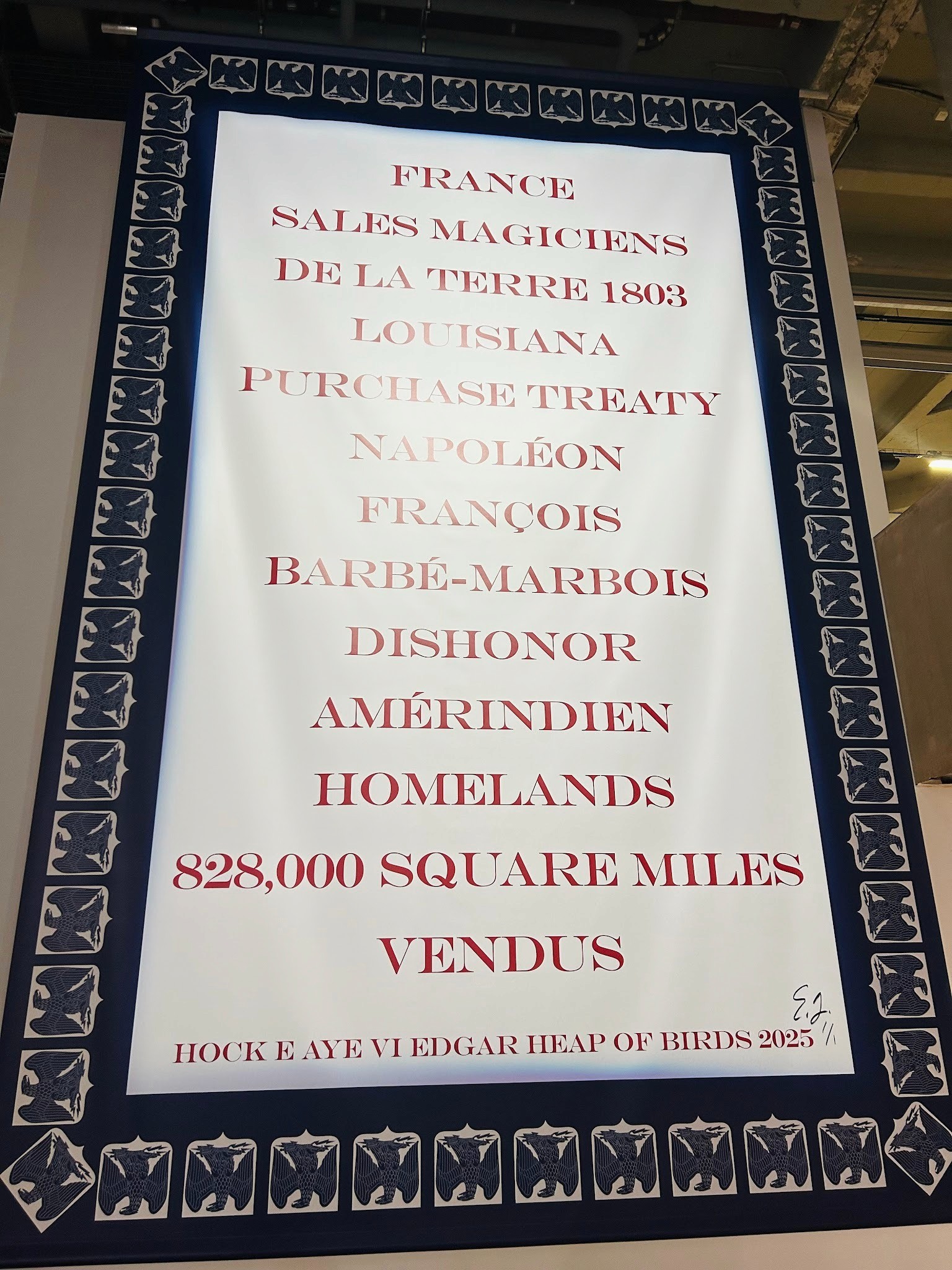
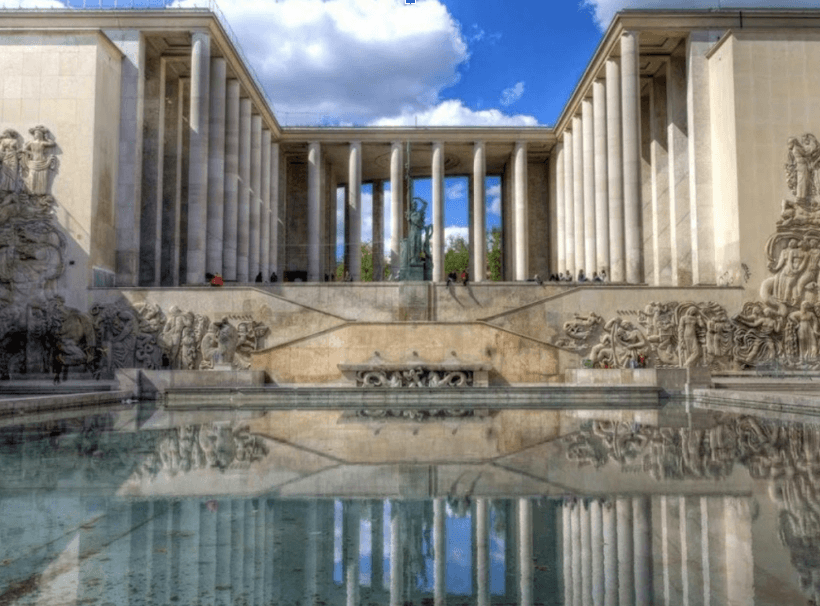
I must say it was amusing, reading about the Dallas Museum of Art or LA’s MoMA while being thousands of miles away, in France, in a brutalist building on the Seine.
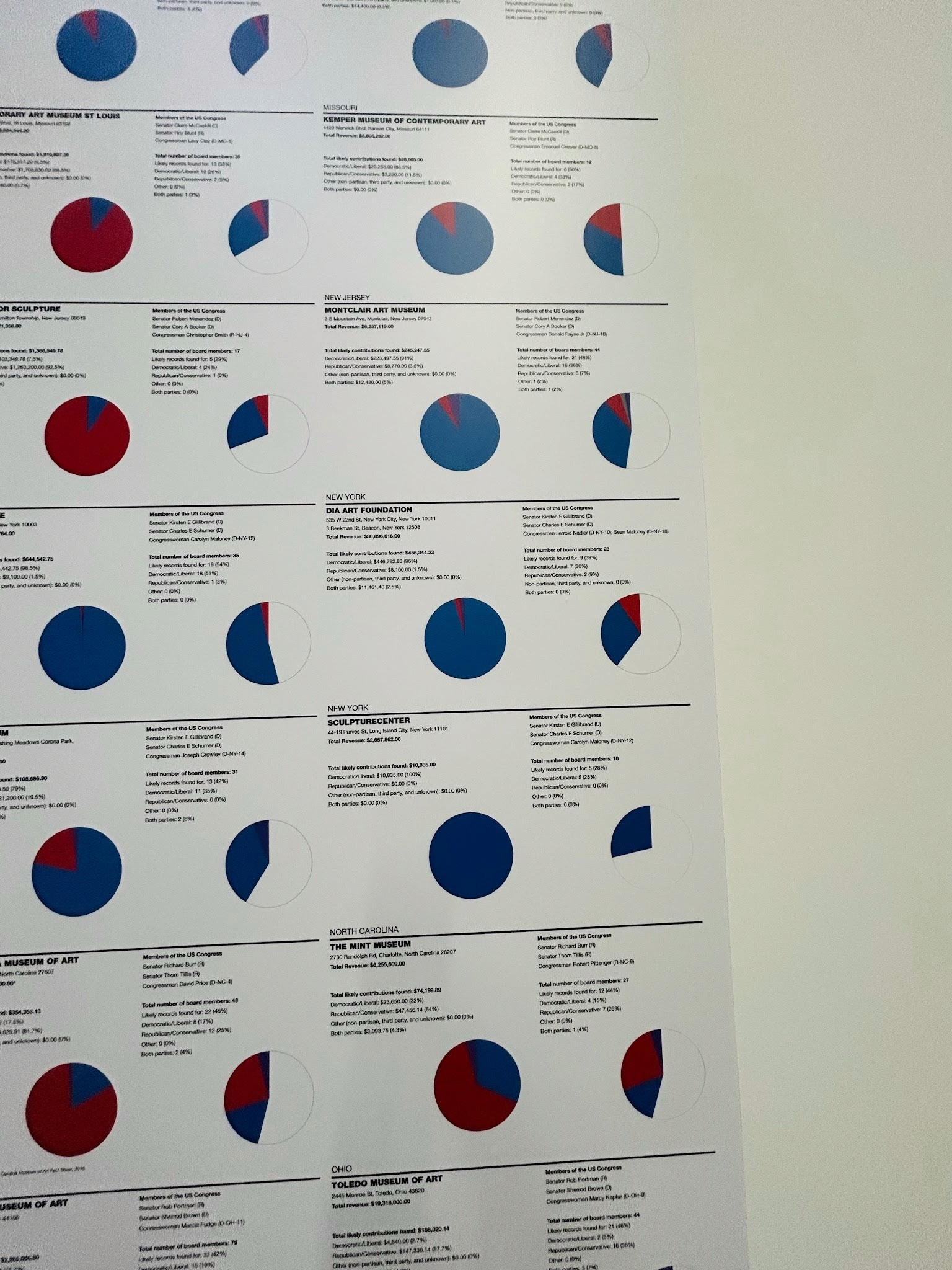
There’s something clarifying about seeing your own country through someone else’s frame—not harshly, just with the particular curiosity of people who have been watching from a distance and decided it was finally worth putting on the wall. Paris wasn’t declaring anything about America. It was just looking, carefully, with both hands.
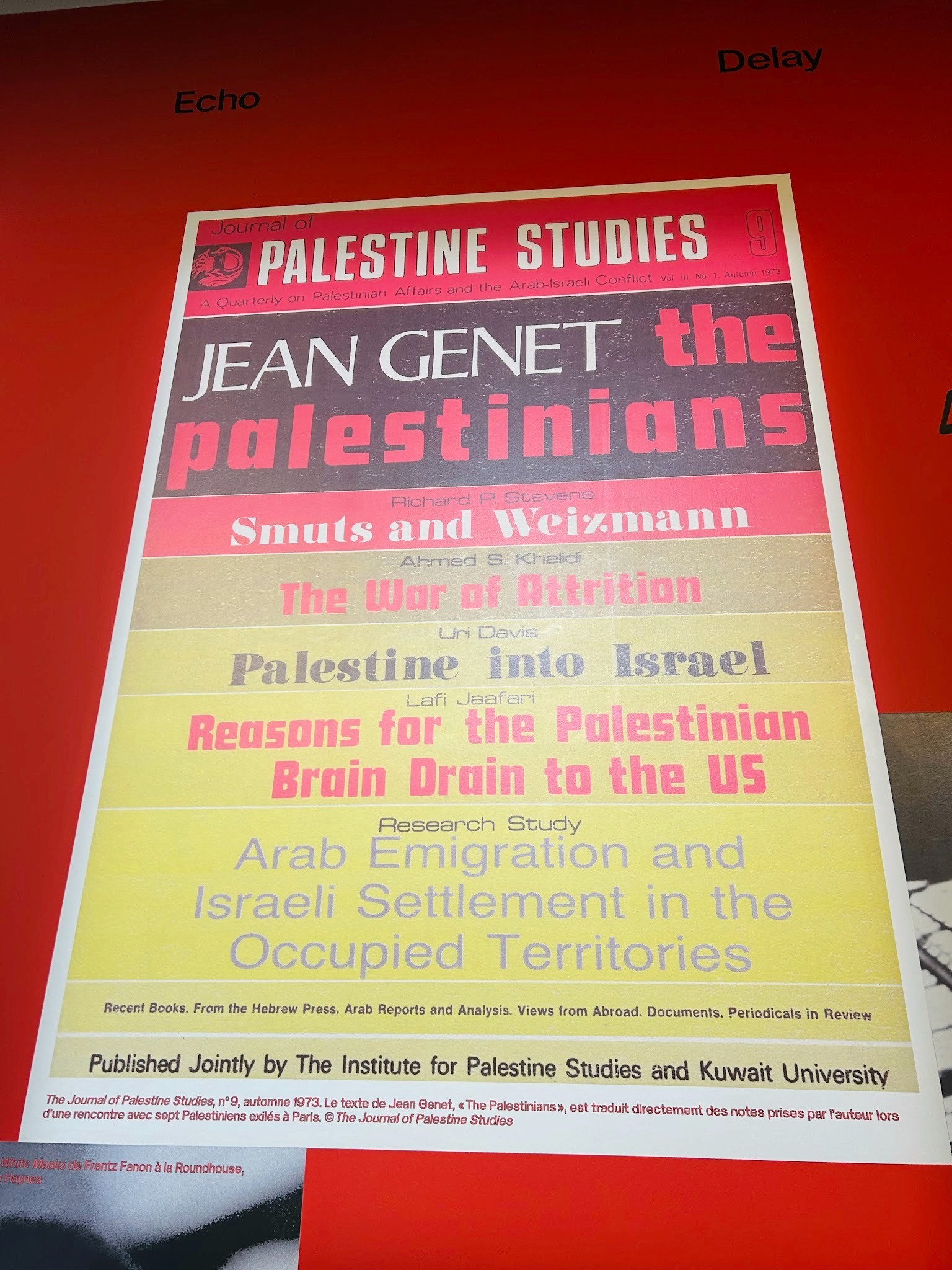
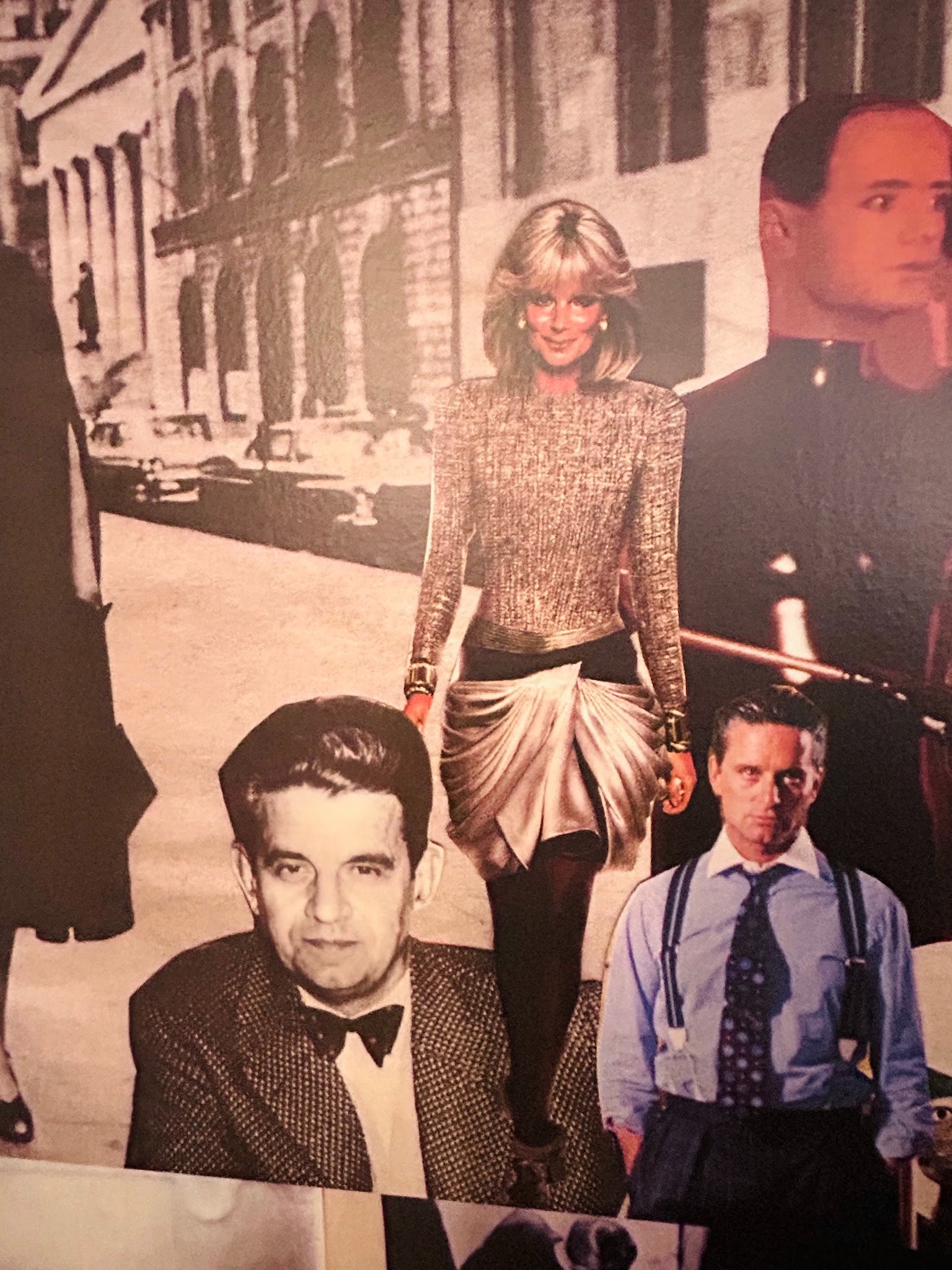
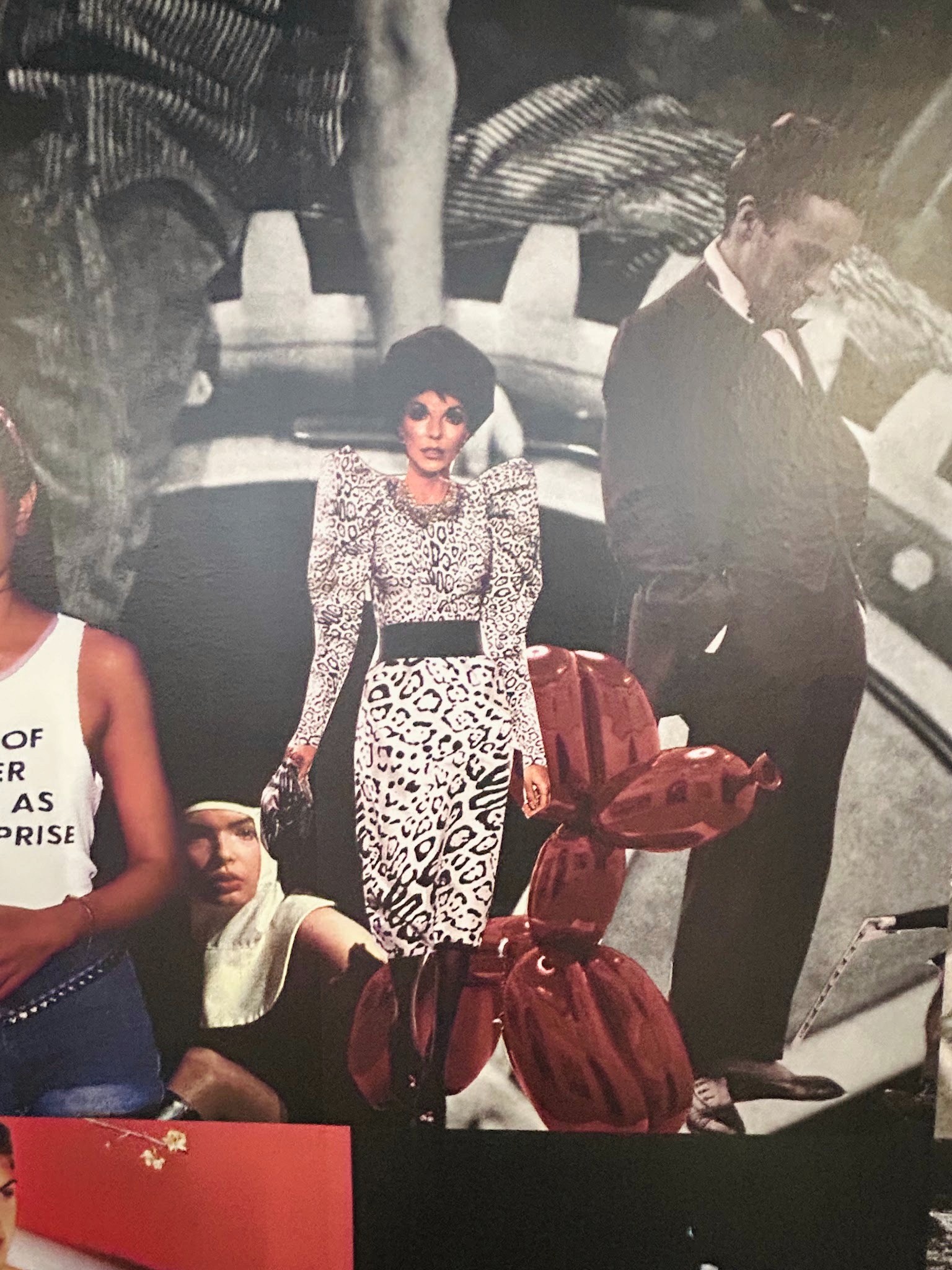
I took a lot of photos and ended up staying longer than I’d originally planned, and when I left late that night, I left with a new sense of recognition, in knowing that even still, America remains so pervasive that it becomes the subject even in rooms it never even bothered stepping into.
***