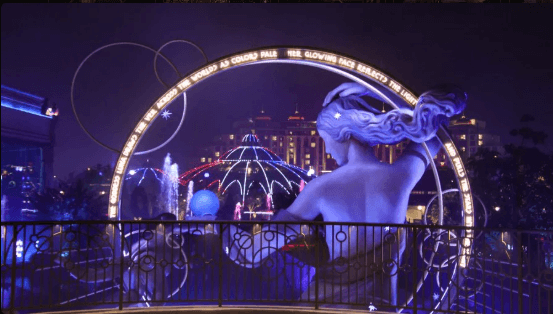
Epic Universe is truly something special. While yes, it isn’t a thrill park, I do think it’s both a storyteller’s and a lover of stories’ dream park. Well, worlds, and that’s not hyperbole. It honestly feels like the most accurate description of what Epic Universe does the moment you cross the threshold, as when I was walking out of the Grand Helios, I remember being wholly impressed by the detail that went into building this park.
The first thing you see is the statue of Helios (or Luna, depending on which entrance you come through).
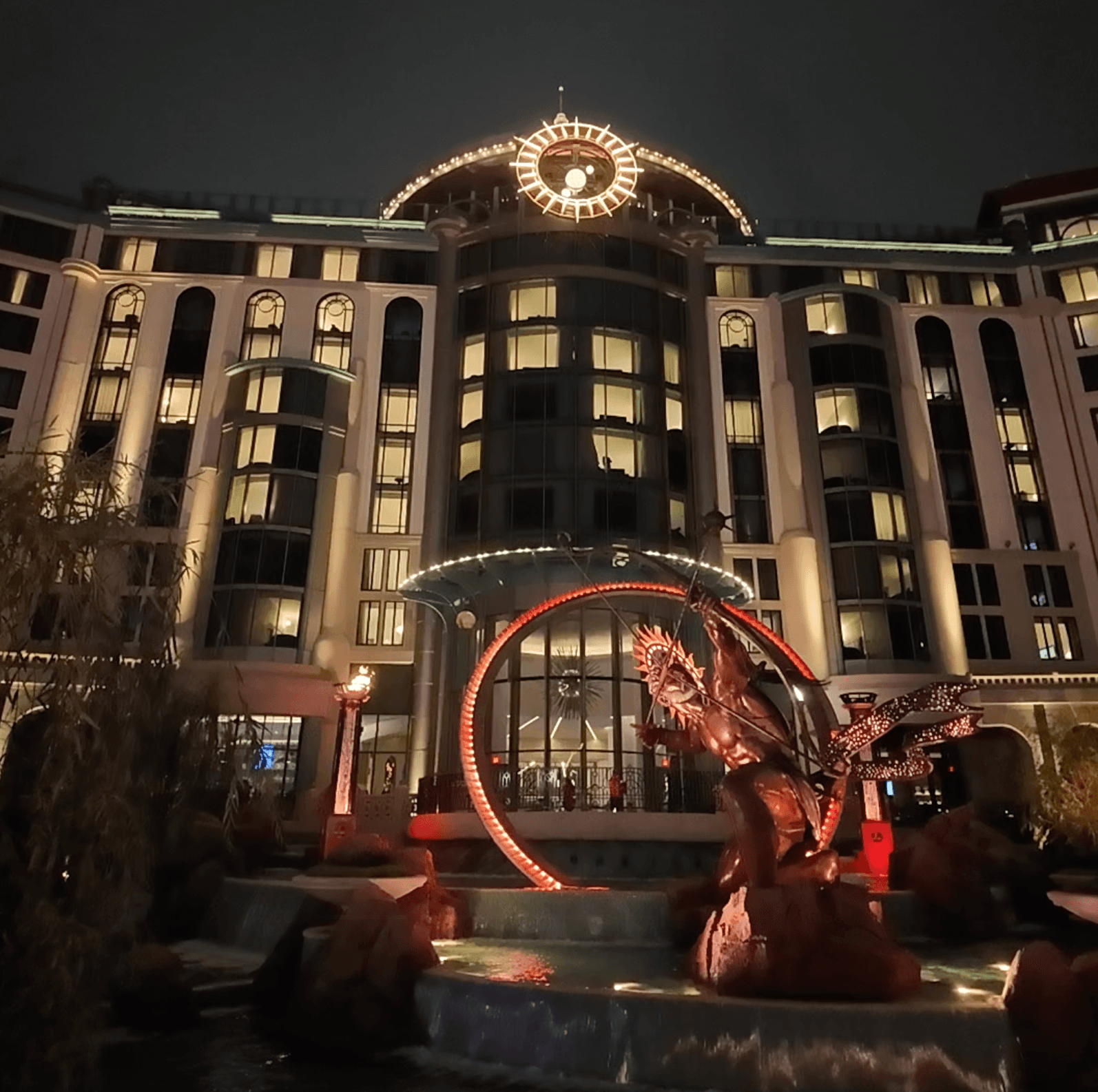
For me, it was Helios, who stood enormous, radiant, with his burning arrow aimed at the sky and a falcon at his hip. While at the other end of the park, Luna waits. And between them, at the ceremonial moments of day and night, the park performs a passing of the torch, sun yielding to the moon, light giving way to dark, via technology so seamlessly deployed you stop thinking about how it works and just watch it happen.
That detail stopped me, as it was clearly a careful decision to anchor all of it, every franchise and world and intellectual property, inside the most ancient myth of them all: the sun and the moon. Helios and Luna are the spine of a structure that holds all the other portals together.
I’ve been thinking about why that choice works so well. I think it’s because the oldest stories are the ones that don’t require explanation, and you don’t need to have read all the books or played the games. Sun and moon, day and night; most everyone already has a basic understanding. As the myth creates a container big enough to hold everything, every world.
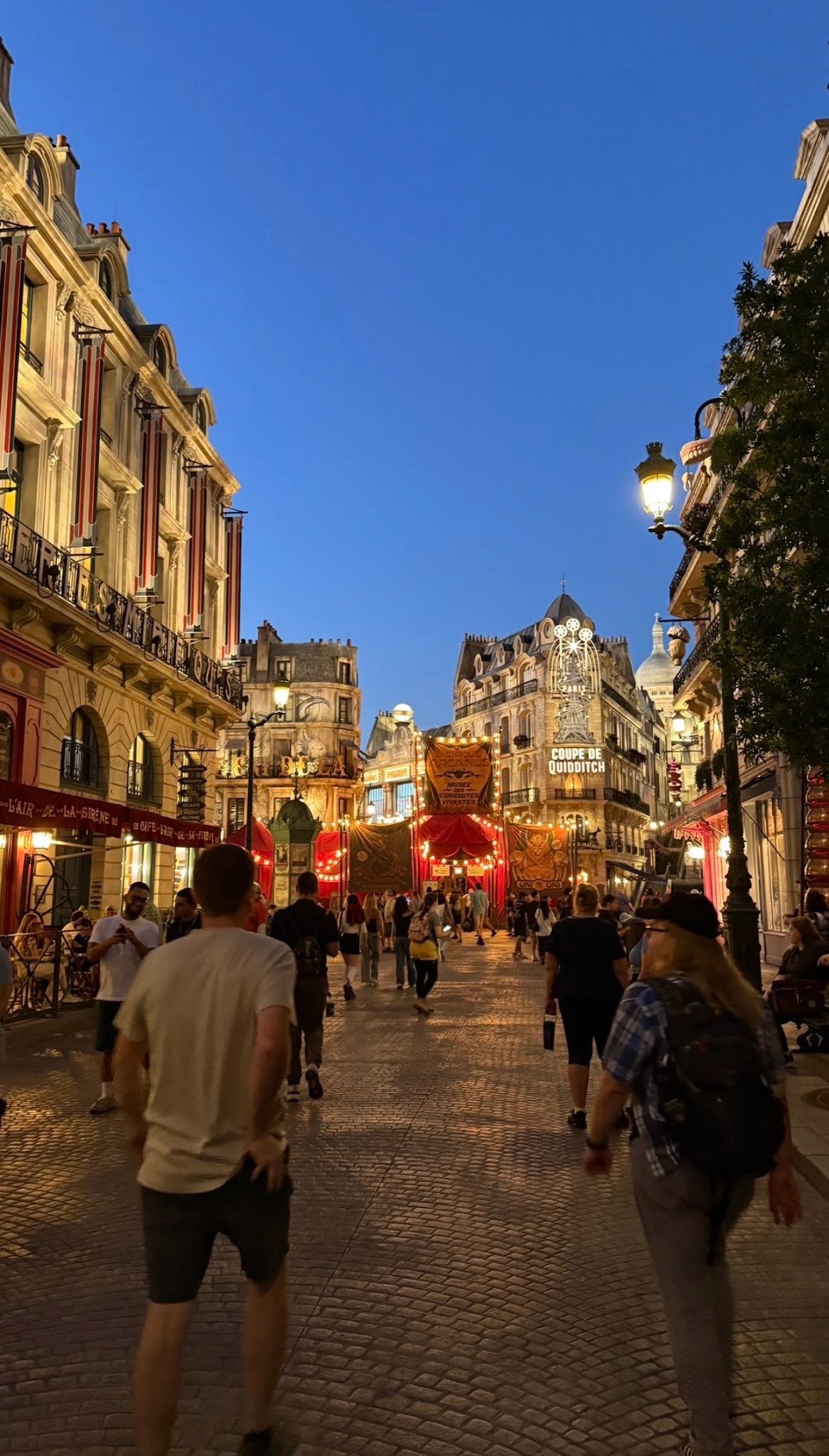
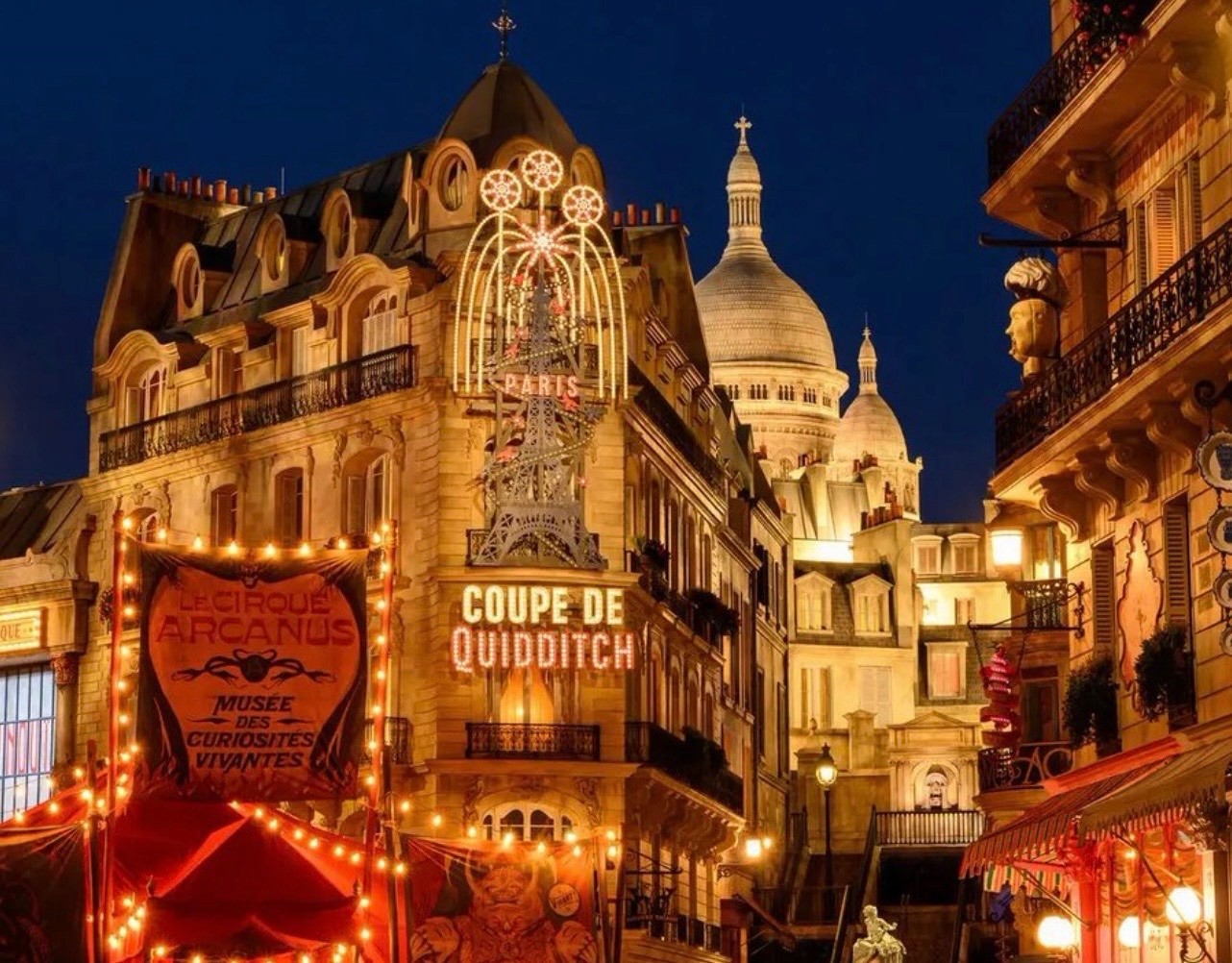
Now, every world inside Epic Universe is a feat of storytelling at a scale most writers can barely imagine. The Wizarding World of Paris: cobblestones, red circus tents, the Coupe de Quidditch signs lit up at night, is built with the kind of attention to detail that only comes from people who loved the source material obsessively enough to want to inhabit it. In the Ministry of Magic, wands interact with embedded technology to cast spells on the walls. You’re not watching magic. You’re doing it. The technology is so thoroughly in service of the story that it disappears into it.
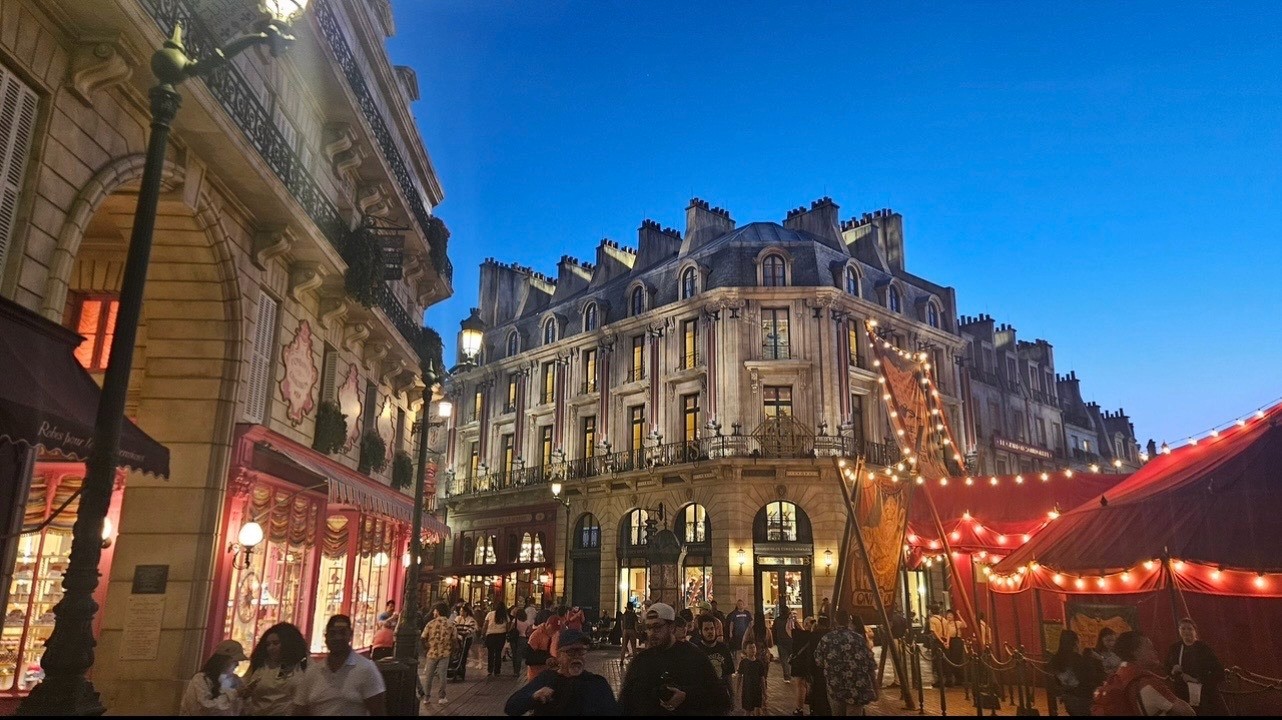
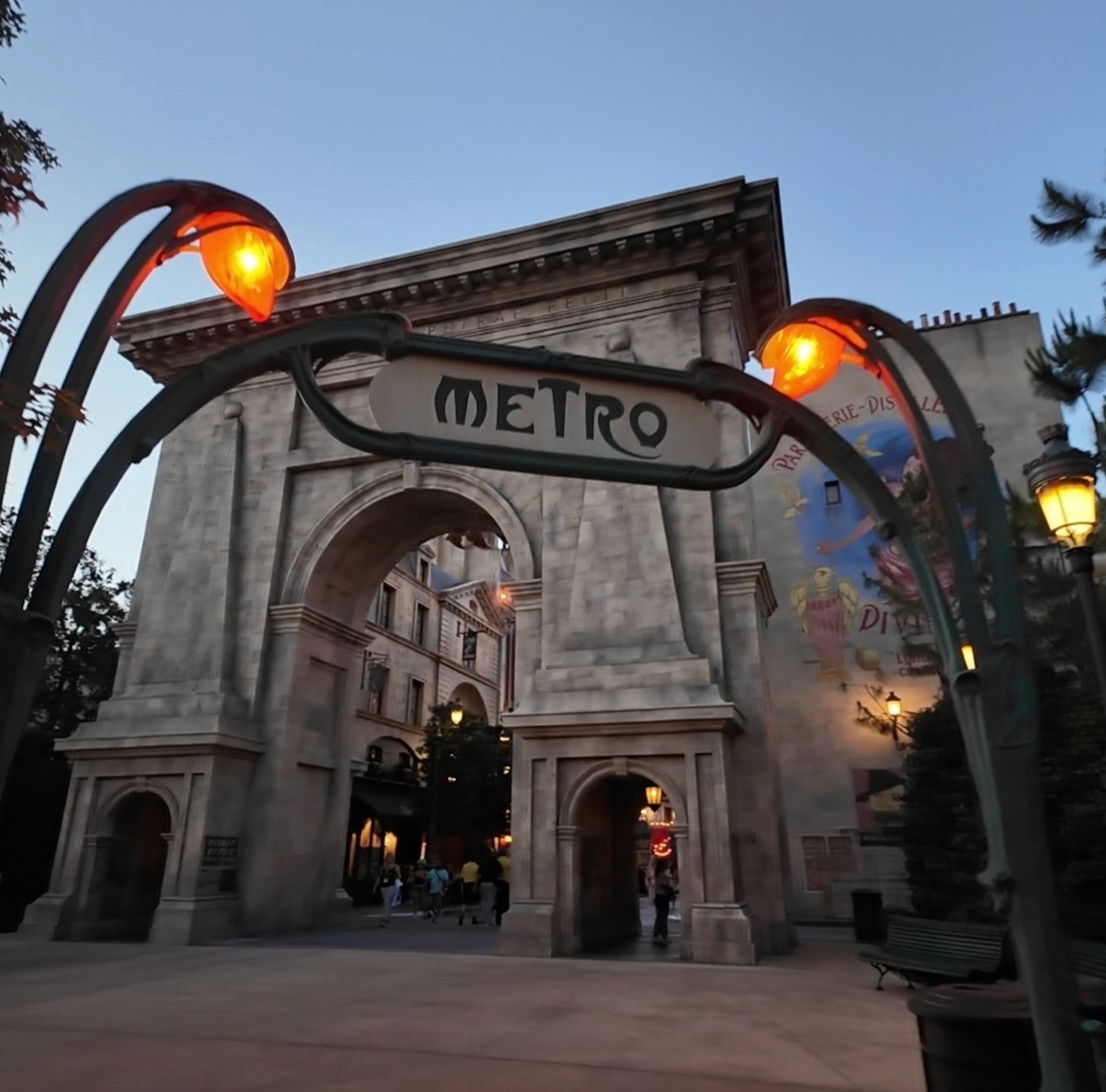
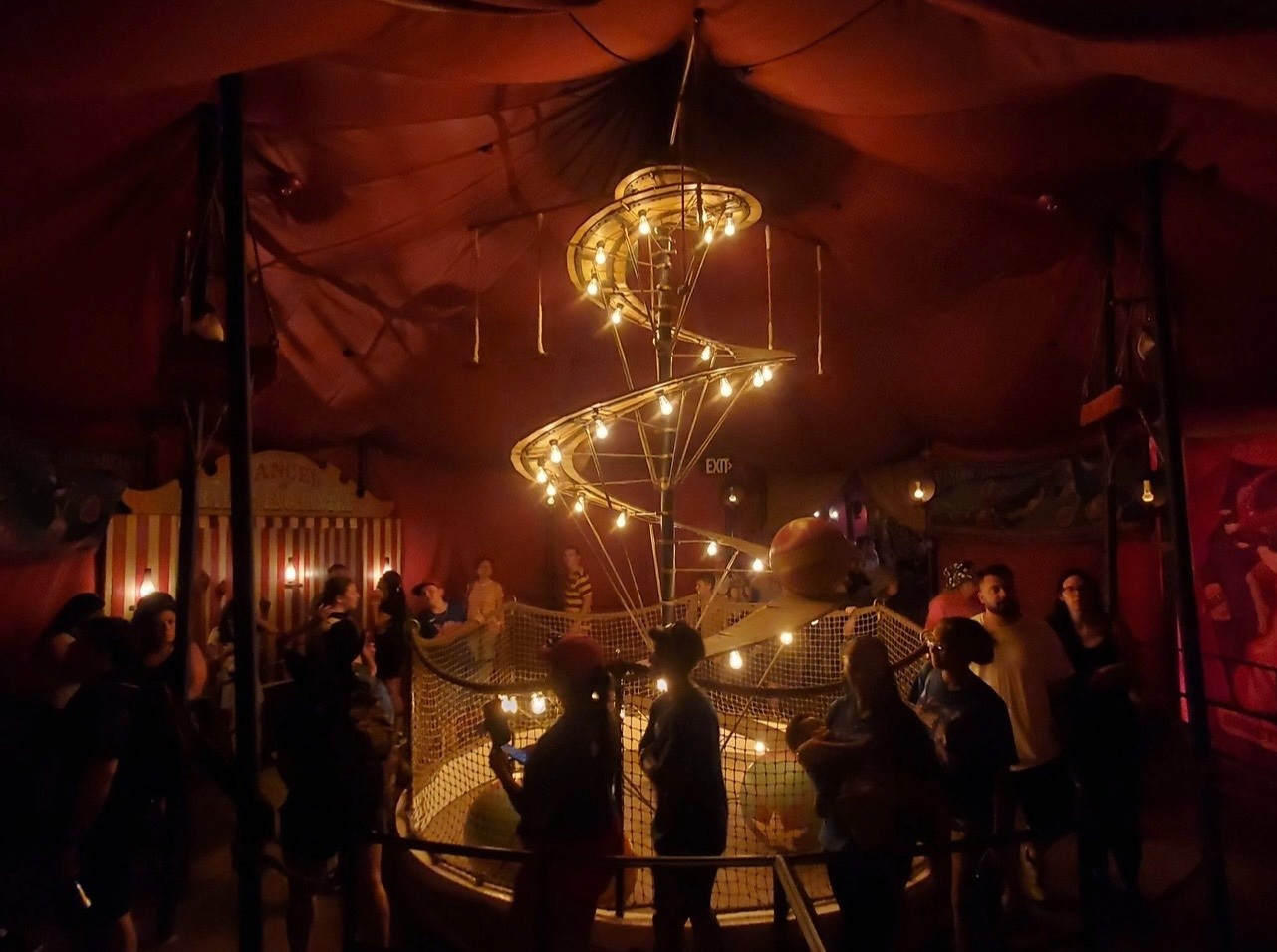
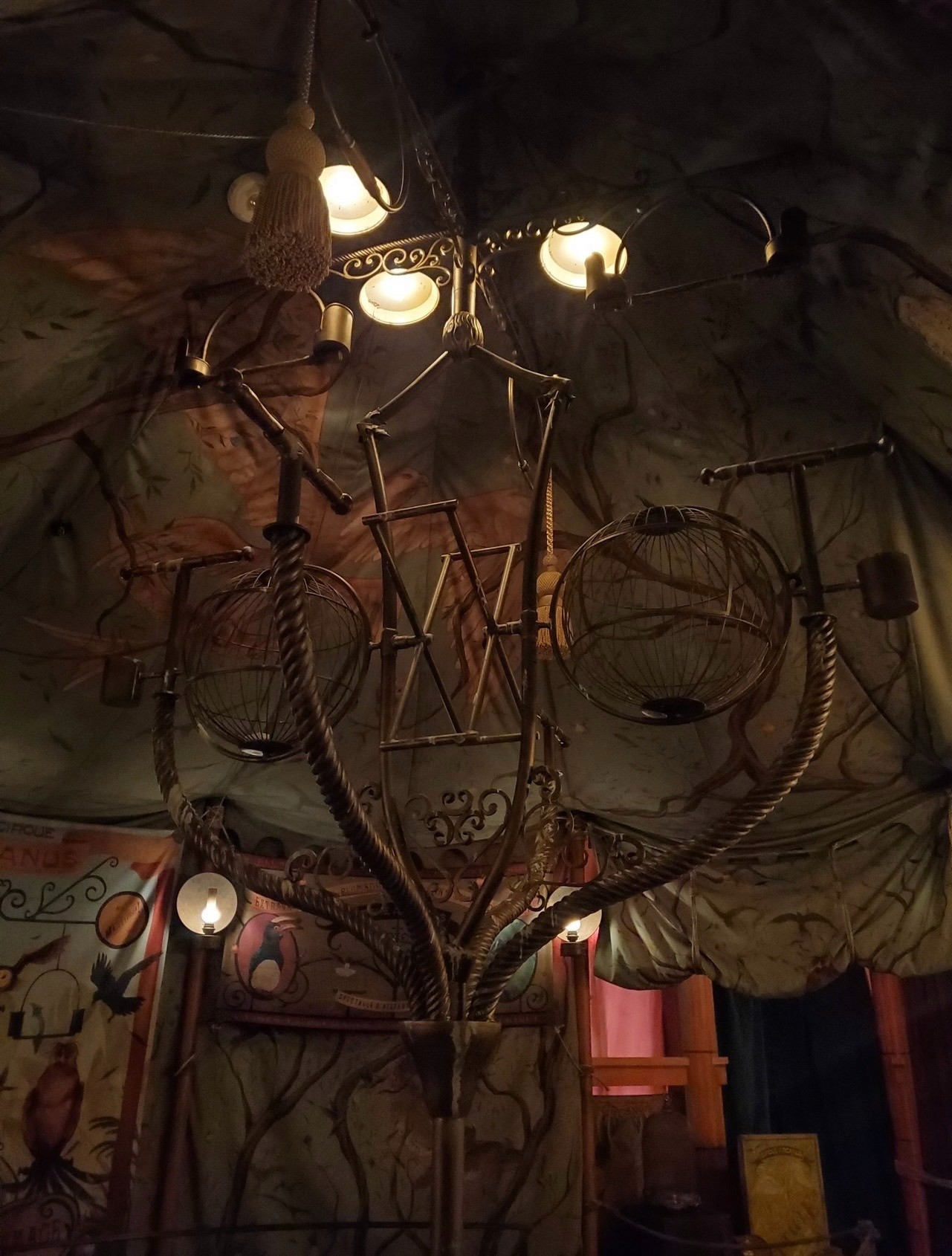
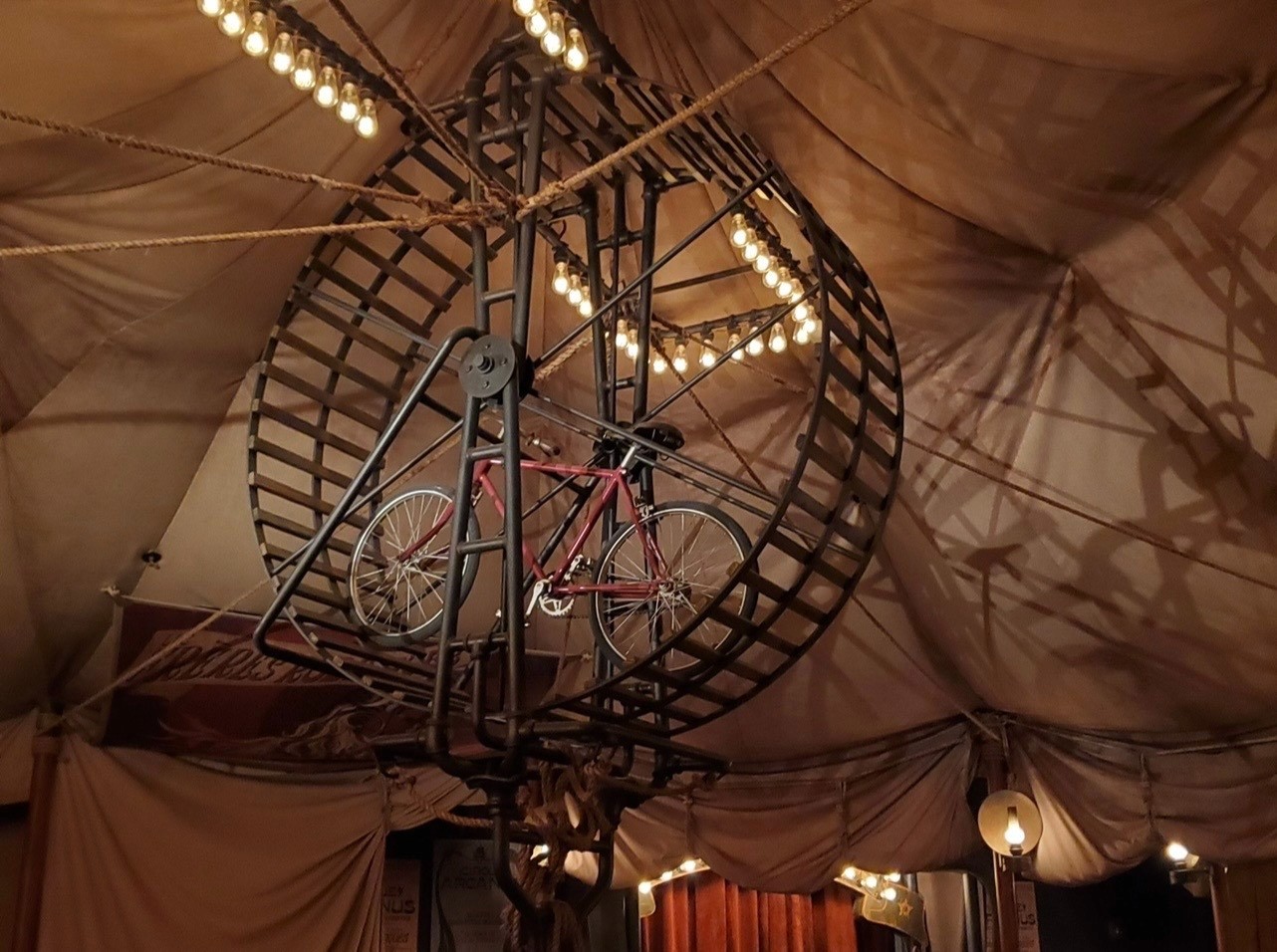
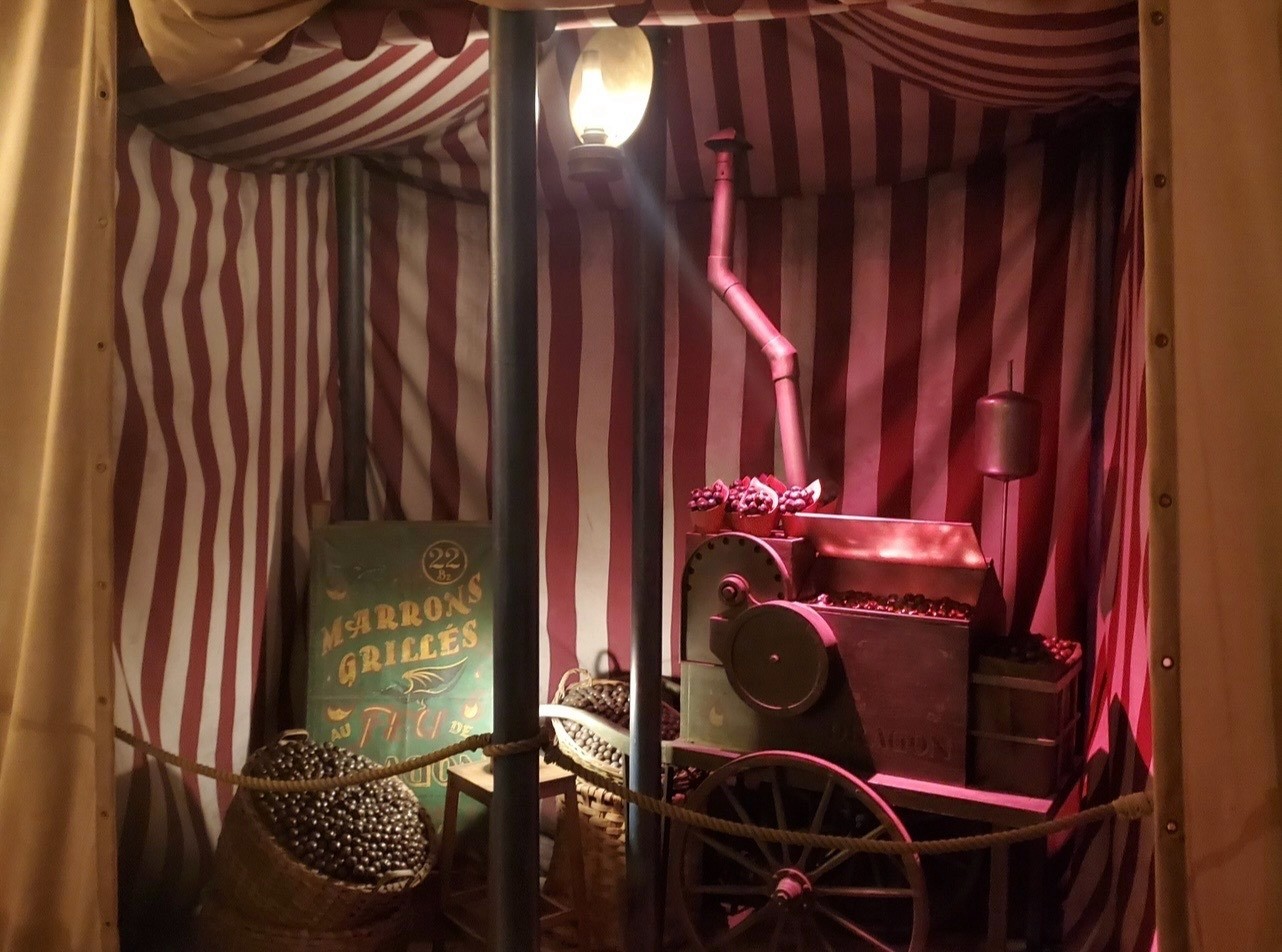
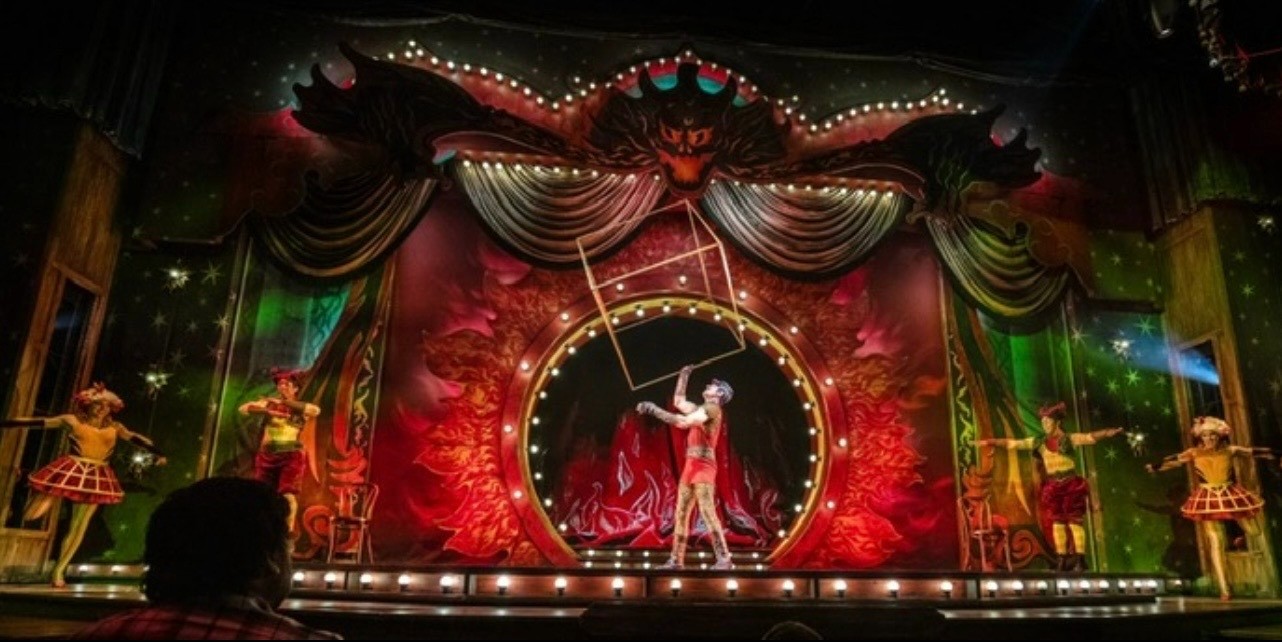
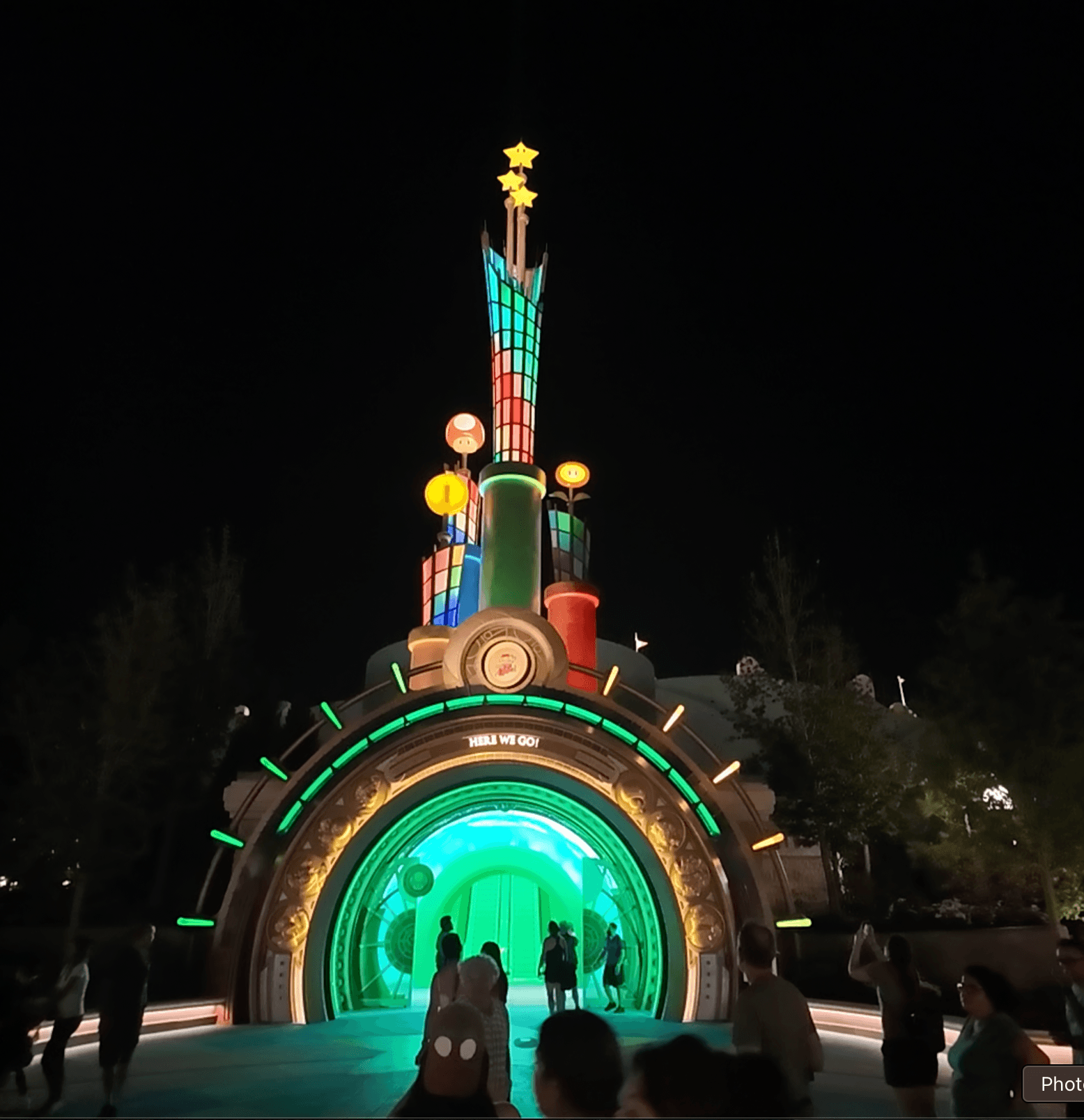
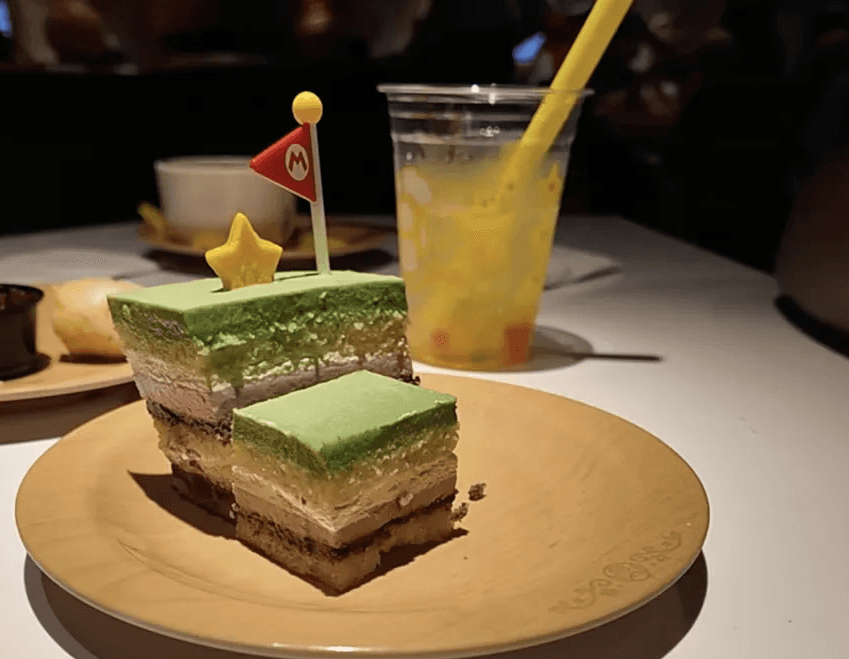
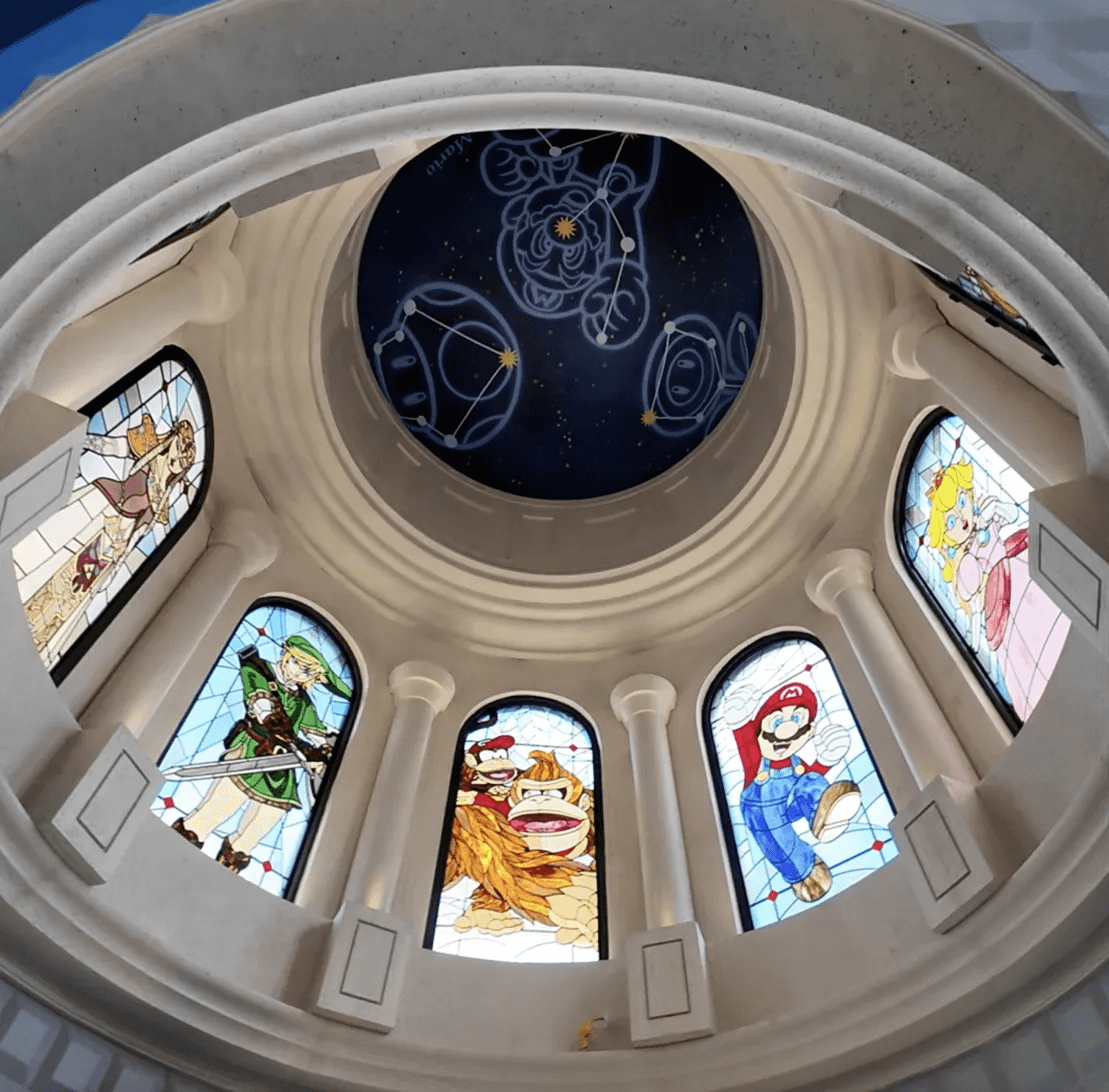
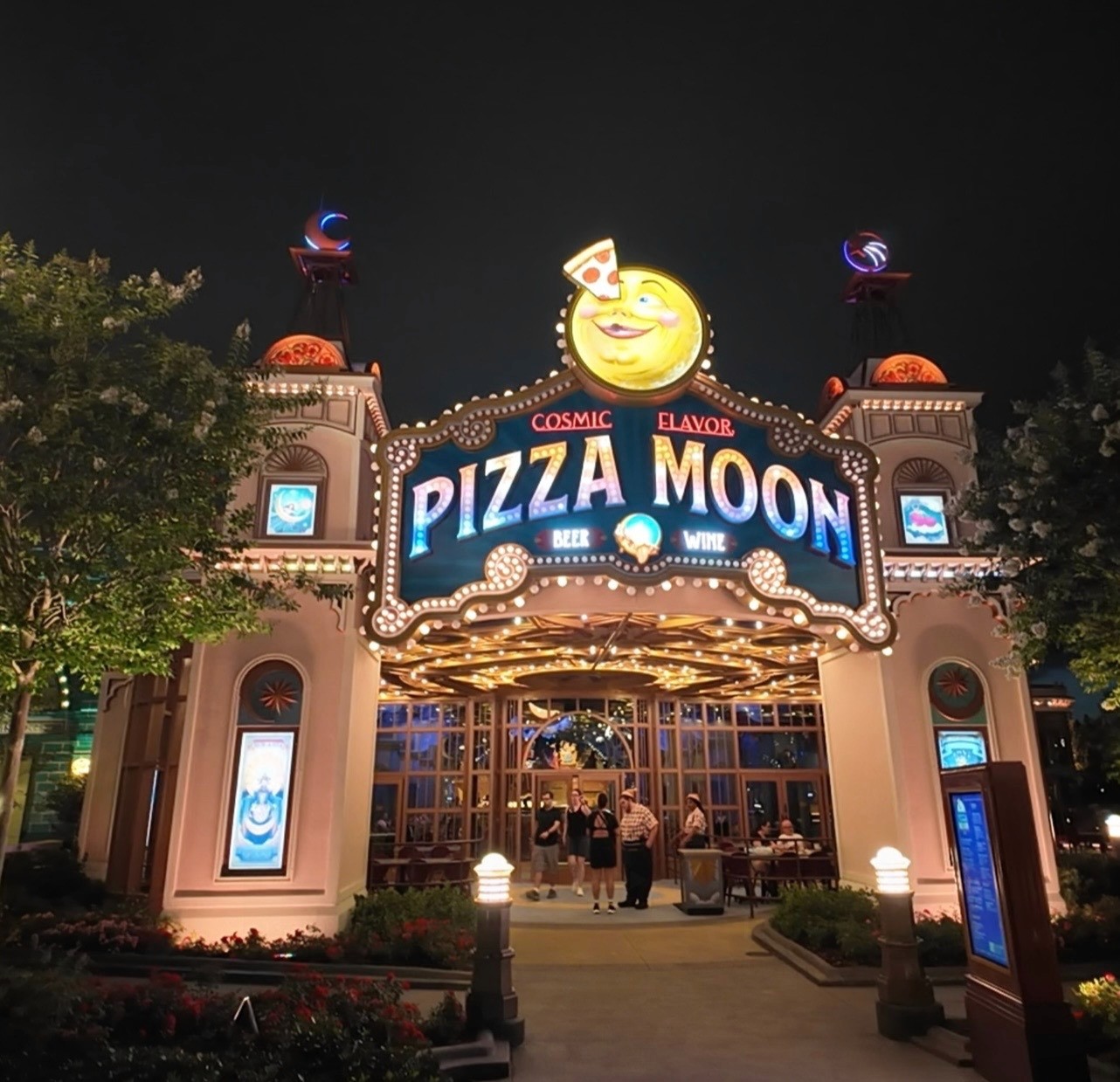
(I absolutely adored the visual reference to Jules Verne's novel, which immediately brought to mind the 1902 French film A Trip to the Moon (Le Voyage dans la Lune).
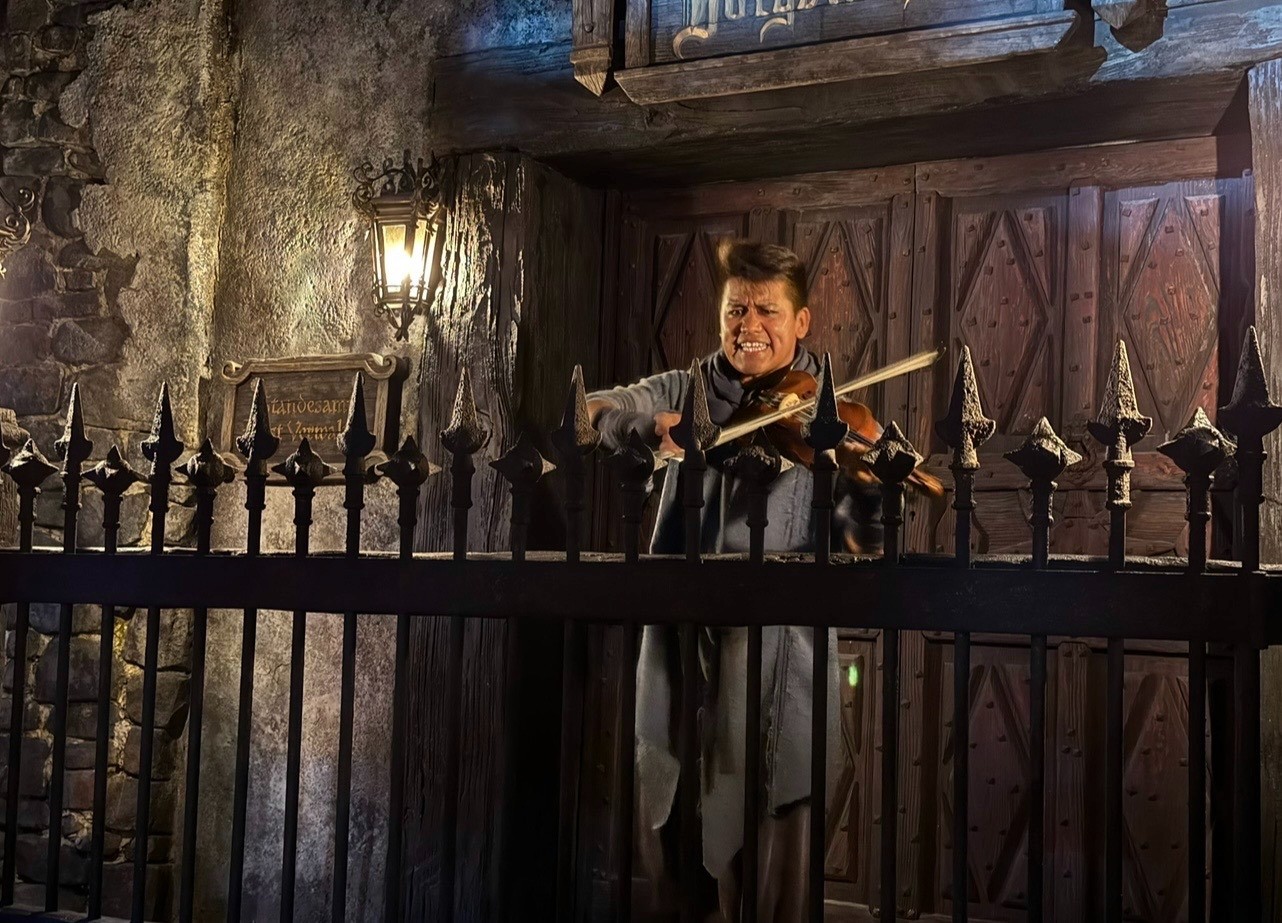
I’ve spent thirty years building worlds on a page, and I will tell you plainly: walking through Epic Universe as a storyteller is a humbling experience. Not because the scale is overwhelming, though it is, but because the craft is undeniable. Every flyer on every wall, every flickering gas lamp, every hidden detail in a shopfront window exists because someone asked the question every good writer asks: what would make someone believe this is real?
The answer, it turns out, is the same whether you’re writing a novel or constructing a theme park: myth, detail, consistency, and somewhere at the center, an old story that people already know how to feel.
Helios passes the torch to Luna every night in Orlando, Florida. I watched it happen and felt what I always feel when a story lands: that specific, quiet amazement that someone dreamed up an idea and brought it to fruition.